
>> Continued From the Previous Page <<
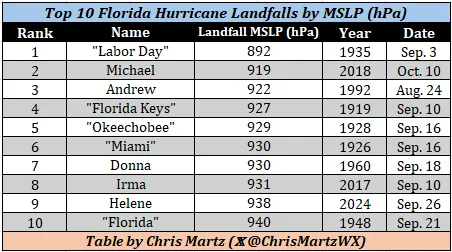
DeSantis pointed out that while Hurricane Milton was powerful, it wasn’t even close to the strongest storms that have hit the state in past centuries. He highlighted the Labor Day hurricane of the 1930s, which holds the record for the most intense hurricane to ever strike Florida, with a barometric pressure of 892 millibars, causing widespread devastation in the Florida Keys.
DeSantis also referenced the Okeechobee hurricane of 1928, the deadliest hurricane in the state’s history, which claimed the lives of more than 4,000 people. By comparison, Hurricane Milton, though destructive, was far less deadly. “Fortunately, we aren’t going to have anything close to that on this hurricane,” the Governor added.

Taking a jab at the media, DeSantis emphasized the importance of putting these storms into perspective, noting that while the frequency of tropical weather events may grab headlines, such events are nothing new. “They try to take different things that happen with tropical weather and act like it’s something there’s nothing new under the sun,” DeSantis said, firmly rejecting the notion that recent hurricanes are unprecedented or directly tied to climate change.
DeSantis shifted the conversation to a critical point—Florida’s population growth and the increased impact hurricanes have on communities today. He explained that with 23 million people now residing in the state, storms that would have caused less destruction a century ago are now likely to hit more people and properties.
However, the Governor didn’t stop at comparing past and present storms. He also boasted about his administration’s proactive measures in hurricane preparedness. “We never did the prestaging of power assets until I became governor,” DeSantis noted. He explained that under his leadership, the state has taken significant steps to ensure quicker recovery after hurricanes, particularly in restoring power. In the past, Floridians could be without power for weeks following a storm, but DeSantis’ strategy has dramatically reduced those wait times.
Bold, Durable, and Patriotic: Trump Yard Signs Selling Out!
As DeSantis concluded, he reiterated that while storms may seem worse today, much of the damage can be attributed to Florida’s increased population and economic growth. Despite the challenges, DeSantis expressed confidence that the state’s efforts in disaster preparedness would minimize the long-term impacts of Hurricane Milton.
DeSantis’ comments have sparked a renewed conversation about the role of government in hurricane recovery and the politicization of climate change. His firm stance against what he described as “global warming propaganda” resonated with many conservatives, while critics remain unconvinced. However, one thing is clear: under DeSantis’ leadership, Florida is better prepared than ever to face the challenges that come with living in hurricane-prone regions.
With this latest presser, DeSantis continues to cement his reputation as a no-nonsense leader who isn’t afraid to push back against the left-wing media’s narrative, even when it comes to controversial topics like climate change. As Florida begins the road to recovery, DeSantis’ emphasis on preparation and resilience in the face of natural disasters will undoubtedly be put to the test.

