
>> Continued From the Previous Page <<
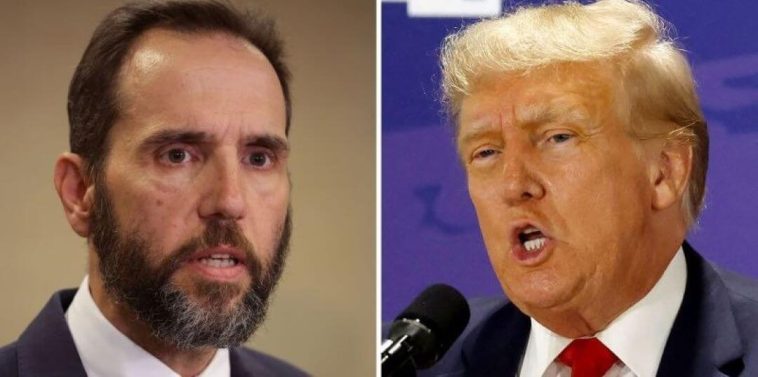
The D.C. Circuit Court of Appeals previously stated that there were “reasonable grounds to believe” that Trump might “jeopardize the ongoing investigation” if informed about the warrant. Allegations have surfaced that Jack Smith acknowledged to Judge Howell the inclusion of incorrect information when suggesting that Trump could be a flight risk if he learned about the gag order.
The high court’s refusal to take up the challenge means that social media platforms can be required to comply with such warrants in secrecy. This decision has raised concerns about user privacy and the ability of individuals to assert privileges over their communications.

“The Supreme Court said Monday it will not step into a dispute involving special counsel Jack Smith’s efforts to obtain records from former President Donald Trump’s account on Twitter, now known as X, and keep the social media company from telling him about the demand for the information.
In turning away the appeal from X, the court leaves intact a lower court decision that upheld a nondisclosure order that said Smith’s request for Trump’s social media records must be kept secret for six months.
The court’s conservative majority ruled in July that Trump is entitled to some immunity from criminal charges stemming from official acts taken while he was president. Proceedings in the case are continuing before a federal district court in Washington, which is now weighing whether Smith’s slimmed-down allegations in the case against Trump comply with the Supreme Court’s opinion.

X had asked the Supreme Court to consider whether social media companies can be forced to give the government a user’s communications while they’re prohibited from notifying the user about it. In the case of Trump, the company said the nondisclosure order deprived him of the opportunity to assert executive privilege over the material before it was provided to the special counsel. But X said other users such as journalists, doctors or lawyers may want to invoke their own privileges and would not have the chance to.”
The implications of this decision are far-reaching. It sets a precedent for how social media companies handle government requests for user data, especially when nondisclosure orders are involved. Critics argue that this undermines the rights of users to protect their communications and assert any applicable privileges.
The Justice Department’s stance is that secrecy is necessary to prevent interference with ongoing investigations. However, the lack of transparency raises questions about potential overreach and the balance between national security interests and individual rights.
As proceedings continue in the federal district court in Washington, the debate over executive privilege, user privacy, and the limits of government surveillance remains at the forefront. The Supreme Court’s refusal to hear the appeal signals a challenging road ahead for those advocating for greater transparency and user rights in the digital age.
Bold, Durable, and Patriotic: Trump Yard Signs Selling Out!
Supporters of Trump’s position emphasize the importance of due process and the right to know when one’s communications are being scrutinized by the government. They argue that the nondisclosure order deprived the former president of the opportunity to assert executive privilege over the material before it was handed over to the special counsel.
Moreover, this situation highlights a broader concern for all users of social media platforms. X pointed out that individuals such as journalists, doctors, or lawyers might have legitimate reasons to invoke professional privileges over their communications. Without notification, they would be unable to protect sensitive information, potentially leading to breaches of confidentiality and trust.
The Supreme Court’s decision not to intervene suggests that, for now, the balance tips in favor of government secrecy over individual notification in matters deemed sensitive to ongoing investigations. This outcome may prompt legislative action or further legal challenges as stakeholders grapple with the implications for privacy rights in the digital era.
As technology continues to evolve and intertwine with daily life, the tension between privacy and security is likely to intensify. Users of social media platforms will be watching closely to see how companies like X navigate these legal obligations while striving to protect user trust and confidentiality.
In the meantime, the discourse surrounding this case serves as a reminder of the complexities inherent in modern communications and the legal frameworks that govern them. The intersection of technology, law, and individual rights remains a dynamic and contentious arena, with outcomes that have the potential to affect millions.

