
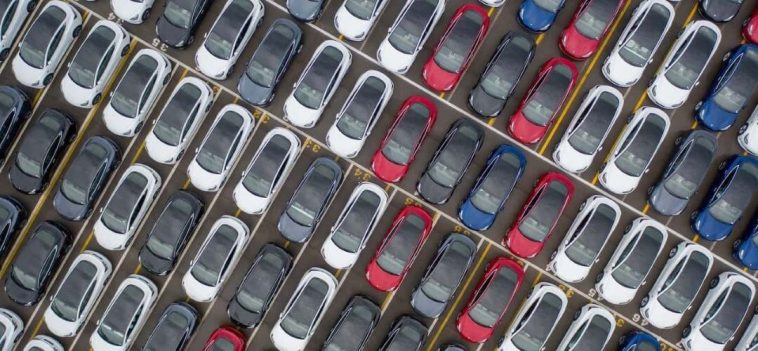
The European Union’s aggressive push toward electric vehicles (EVs) is hitting a major roadblock, as consumers across the continent are increasingly rejecting EVs. Nowhere is this more evident than in Germany, where sales of battery-powered cars have plummeted by a staggering 70% in just one month. The sharp downturn in sales has led manufacturers to call for a reevaluation of the EU’s ambitious plan to ban petrol and diesel cars by 2035.
The European Automobile Manufacturers’ Association (ACEA) has sounded the alarm. According to the group, new battery-electric vehicle sales in Germany dropped to just 27,024 in August, a decline of nearly 70%. France, the EU’s second-largest market for electric cars, also saw a significant drop, with sales down by 33% to 13,143. The ACEA pointed out that only 92,627 electric cars were registered across Europe last month, representing a dramatic 43.9% drop compared to the same period last year. As a result, total new car sales across the EU fell by 18%.
🚨Your free Trump Watch is waiting! Claim it now before it’s too late.⏰

This downward spiral in EV sales is hardly a surprise, considering the numerous problems associated with electric vehicles. From the high upfront cost to the limited driving range, consumers remain skeptical. Moreover, the lack of adequate charging infrastructure is another significant barrier. As Felipe Munoz, a global automotive analyst at JATO Dynamics, put it, “The reality is that whether you look at business or private, electric vehicles do not convince yet.”
>> Click Here To Continue Reading <<

