
>> Continued From the Previous Page <<
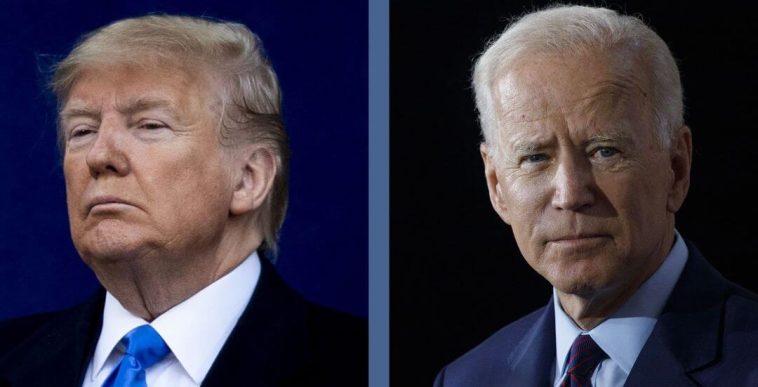
The debate environment will be strictly controlled, with candidates positioned at identical podiums determined by a coin flip and their microphones enabled only during their designated speaking times. While CNN claims these measures are to ensure a “civilized discussion,” many conservatives believe they may serve as tools for controlling the narrative, potentially silencing meaningful exchange.
“A pool reporter is there to observe what is said and done when microphones are off or when either candidate is not seen on camera but may speak, gesture, move, or engage in some way,” the WHCA statement explained, stressing the importance of maintaining traditional media access standards. “Precedent matters for future debates.”

The extended broadcast delay could potentially be used to censor provocative or impactful statements, particularly from Trump, known for his direct and often contentious style. This concern is amplified in a media landscape where many feel there is a persistent bias against conservative viewpoints.
Further complicating the debate’s dynamics, CNN’s rules prohibit any interaction between the candidates and their campaign staff during commercial breaks and disallow props or prepared notes on stage. However, each candidate will have access to a pen, a pad of paper, and a bottle of water. While these restrictions are described as efforts to focus on the candidates’ spontaneous reactions, skeptics argue they are overly restrictive and could be selectively applied.
Carry 46 rounds concealed? (comfortably)
As tonight’s debate unfolds, the choices made by CNN in its format and rules will likely be scrutinized, potentially influencing not only the perception of the candidates’ performance but also the broader discourse on media impartiality and electoral integrity.

