
>> Continued From the Previous Page <<
Critics inside the party say the report carefully avoids discussing the very issues that voters were talking about throughout the campaign.
Among the topics many expected to see addressed were concerns surrounding President Joe Biden’s age, growing dissatisfaction among voters over the administration’s handling of foreign policy, and Vice President Kamala Harris’ struggles as a presidential candidate.

Instead, according to Carville and others, those subjects were largely absent.
Political commentator Al Hunt did not hide his disappointment while discussing the report on the “Politics War Room” podcast.
“To call it a total dud would be to elevate it,” Hunt said.
Carville appeared to agree completely.
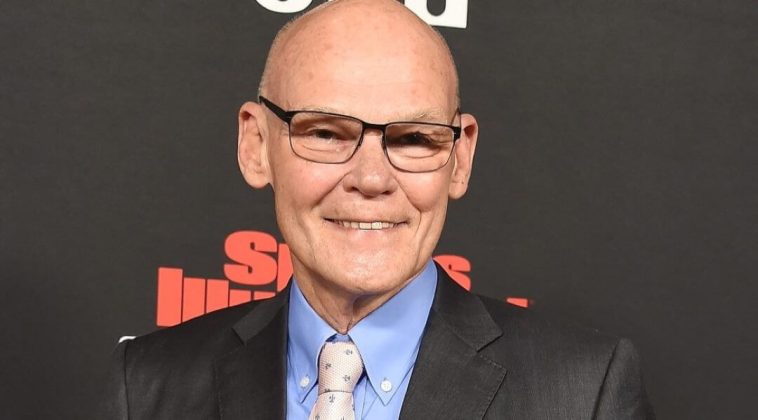
The longtime Democratic strategist, who helped engineer Bill Clinton’s 1992 victory, has spent years warning that his party was drifting away from everyday voters. Now he believes Democrats are making the same mistake yet again by refusing to confront uncomfortable realities.
The $2 Billion Problem
The statistic that appears to frustrate Carville the most is impossible to ignore.
Kamala Harris reportedly had access to roughly $2 billion between Labor Day and Election Day.
Despite an unprecedented fundraising advantage, Democrats still suffered defeat across every battleground state that Biden had carried four years earlier.
Carville highlighted the staggering amount of money spent and questioned whether any of it changed the outcome.
“I don’t think we got a vote on election day that we weren’t going to get on Labor Day anyway,” Carville said.
That observation cuts to the heart of the debate now unfolding inside Democratic circles.
Campaign strategists poured enormous sums into advertising, celebrity appearances, media events, voter outreach programs, and highly targeted political messaging.
Voters saw major events featuring Hollywood celebrities. They watched expensive media productions. Massive advertising campaigns dominated television screens and social media feeds.
Yet the final result barely moved.
Trump still won.
For Carville, the question is not whether the money was spent legally.
The question is why so much money failed to produce meaningful results.
Lessons Nobody Wants to Learn
The veteran strategist compared the party’s response to a disaster investigation that refuses to identify the cause of the crash.
“When an airplane crashes, the last thing anybody says is, ‘Well, we just need to look ahead.'”
He described the situation as “a prime example of staggering Democratic incompetence.”
Those remarks have sparked renewed frustration among Democrats who believe party leadership continues to avoid honest self-evaluation.
Many observers point out that this pattern is not new.
Following Hillary Clinton’s loss in 2016, Democrats commissioned an internal review of the campaign. However, the report was reportedly never broadly distributed to party members.
Critics argued that party leaders effectively buried the findings rather than using them to address systemic weaknesses.
Now, nearly a decade later, some Democrats fear history is repeating itself.
Financial Troubles Add to the Pressure
The criticism arrives at a particularly difficult time for the Democratic Party.
While Republicans have reportedly built a significant financial advantage heading into future election cycles, Democrats are facing growing questions about debt, fundraising efficiency, and campaign spending priorities.
The DNC’s own chairman, Ken Martin, appeared to distance himself from portions of the report.
Perhaps the most striking detail is that Martin included a disclaimer indicating the document failed to meet his expectations.
That disclaimer reportedly appears throughout the report itself, an unusual move that has only fueled criticism from both supporters and opponents.
The Bigger Question Facing Democrats
Carville’s argument ultimately goes beyond campaign spending.
His concern centers on accountability.
Who made the decisions?
Who approved the strategy?
Who believed massive spending would overcome underlying voter dissatisfaction?
Most importantly, are those same individuals now helping shape Democratic plans for 2026 and 2028?
Those questions remain unanswered.
Meanwhile, Republicans are already preparing for the next electoral battle while Democrats continue debating what went wrong in the last one.
For many voters, the verdict was delivered on Election Day.
The debate now raging inside Democratic circles is whether party leaders are willing to acknowledge what those voters were trying to tell them.
And judging by the reaction from one of the party’s most famous strategists, that conversation may be far from over.

