
>> Continued From the Previous Page <<
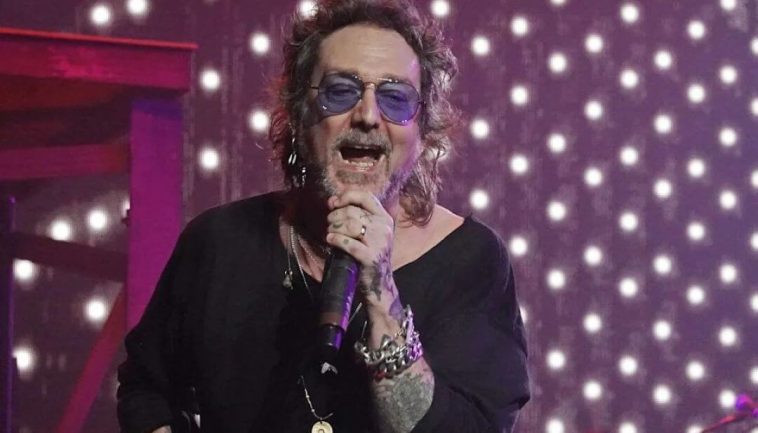
Instead of embracing the energy, Robinson immediately pushed back.
“Thanks for the geography lesson,” he told the audience.

The remark drew an instant negative reaction from many in attendance. Boos quickly spread through the venue, signaling that fans were not pleased with the singer’s response.
Rather than easing tensions, Robinson escalated the situation.
“I don’t know what you have to be so proud of right now,” he said.
That comment appeared to be the tipping point.
Video footage reportedly shows numerous attendees heading toward exits while the concert continued. Several sections of the venue could be seen thinning out as disappointed concertgoers decided they had heard enough.
Robinson Doubles Down
As fans exited, Robinson continued addressing the crowd.
“For those of you f—ing booing us, some of us are not afraid,” he declared. “And we most assuredly are not f—ing ignorant.”
The remarks only fueled criticism from many observers who viewed the exchange as an attack on fans who had paid to attend the show.
For many Americans, chanting “USA” is not viewed as a political statement at all. It is commonly heard during sporting events, military ceremonies, Olympic competitions, Independence Day celebrations, and countless other public gatherings.
Critics argue that Robinson misunderstood what was happening in the arena and transformed a simple expression of patriotism into a political dispute.
A Familiar Pattern in Entertainment
The incident immediately drew comparisons to previous celebrity controversies involving anti-American comments directed at audiences.
Many conservatives recalled the backlash faced by the Dixie Chicks in 2003 after lead singer Natalie Maines publicly criticized then-President George W. Bush while performing overseas.
The fallout was swift. Radio stations dropped the group’s music, fans organized public protests, and album sales suffered dramatically.
Political commentary from entertainers has become increasingly common in recent years, but audiences often react negatively when they feel they are being lectured by celebrities during events they paid to attend for entertainment.
That appears to be exactly what happened in Tampa.
A Contradiction Fans Noticed
What makes the controversy even more surprising is Robinson’s own previous comments about politics.
In a recent interview with Mojo magazine, Robinson reportedly stated that he was “not interested in politics.”
That claim is now drawing renewed scrutiny after his remarks toward fans in Tampa.
Critics point out that if Robinson truly wanted to avoid political debates, dismissing a crowd’s patriotic chant was an unusual way to demonstrate it.
Instead of focusing on music, the performance became a national conversation about patriotism, celebrity activism, and the growing divide between entertainers and their audiences.
Looking Ahead
The Black Crowes still have additional stops scheduled across the South, including performances in Florida and Georgia.
Those upcoming shows may reveal whether the Tampa reaction was an isolated incident or a preview of what awaits the band elsewhere.
One thing is clear: many fans who attended the concert expected an evening of classic rock hits and nostalgia.
They came to hear songs like “She Talks to Angels.”
Instead, they found themselves in the middle of a political confrontation they never asked for.
As footage of the incident continues spreading online, Robinson may soon discover whether audiences are willing to separate the music from the message—or whether Tampa was the first sign of a much larger backlash.

