
>> Continued From the Previous Page <<
His argument struck a nerve because it shifted attention back to the events shown in the footage rather than the editing process used to produce a screenshot.
That distinction matters.

The debate over image quality has quickly overshadowed what many viewers found most disturbing about the video itself.
Bodycam footage reportedly shows Nowak repeatedly pleading for help while officers attempted to assess the situation. According to reports, the teenager repeatedly told police he had been stabbed.
At one point, he said “I can’t breathe” multiple times.
He also repeatedly insisted, “I’ve been stabbed.”
An officer responded: “Don’t think you have, mate.”
The exchange has become one of the most controversial moments in the case.
By the time authorities recognized the seriousness of Nowak’s injuries, precious minutes had already passed.
Meanwhile, the man later convicted of killing him was reportedly speaking with officers and presenting himself as the victim.
Court records show that Vickrum Digwa ultimately received a life sentence for the murder, with a minimum term of 21 years before parole consideration.
His mother was also convicted for assisting an offender.
During the trial, Digwa claimed he had been subjected to racist abuse before the stabbing. However, the court rejected that defense.
The judge did not accept the narrative presented by the killer.
Yet critics argue that officers initially appeared willing to take those claims at face value when they first arrived at the scene.
That perception has fueled allegations of unequal treatment.
The controversy grew even larger when Reform UK leader Nigel Farage publicly raised concerns about what he described as “two-tier policing.”
His comments generated immediate backlash from political opponents and media figures, but they also resonated with many people who watched the footage for themselves.
Prime Minister Keir Starmer later acknowledged the disturbing nature of the video, saying he felt sick watching it. At the same time, he cautioned against using the tragedy to deepen divisions within the country.
For Henry’s family, however, the political arguments are secondary.
The most powerful statement may have come from Henry’s father, Mark Nowak.
Reflecting on the response to his son’s final moments, he said: “His murderer, however, was afforded decency. He was believed.”
That quote continues to resonate because it captures the central grievance shared by many critics of the police response.
They argue that the focus should remain on the decisions made during those crucial moments rather than becoming trapped in endless debates over image editing, social media algorithms, or political narratives.
The case has now been referred to the Independent Office for Police Conduct, which will examine the actions of Hampshire Constabulary.
Whether that investigation satisfies public concerns remains to be seen.
What is clear is that the bodycam footage has reignited a broader debate across Britain about policing standards, public confidence, and accountability.
As arguments continue online over screenshots, image enhancement, and accusations of misinformation, many observers believe the fundamental questions remain unanswered.
Why was a critically injured teenager not immediately treated as a stabbing victim?
Why did officers appear to place trust in the account of the man who would later be convicted of murder?
And could a different response have changed the outcome?
Those are the questions that continue driving public anger.
For many people following the case, the controversy surrounding a viral screenshot is merely a sideshow.
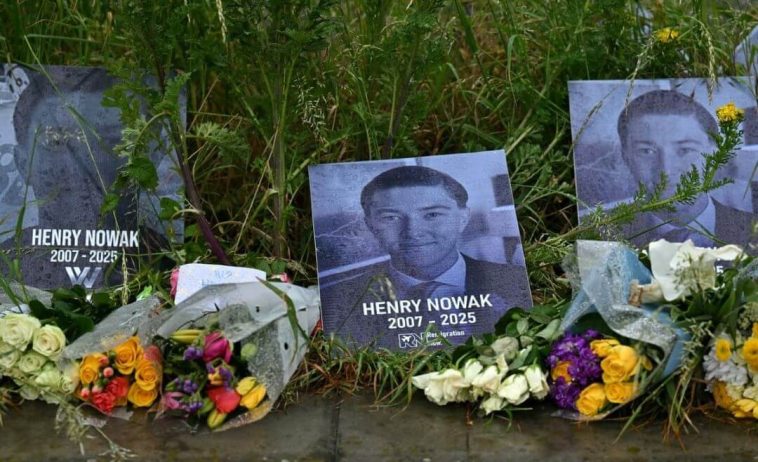
The real story remains the events captured in the bodycam footage itself and the decisions that unfolded during the final minutes of Henry Nowak’s life.

