
>> Continued From the Previous Page <<
The first victim, a 70-year-old Dutch man, reportedly developed early symptoms that resembled a typical viral illness. Fever, headaches, and gastrointestinal distress were initially observed. However, his condition deteriorated rapidly. He died either upon arrival or shortly after reaching Saint Helena, where his body was removed from the ship.
Shortly after his death, his 69-year-old wife also fell ill during the voyage. She was evacuated for emergency medical care but collapsed while attempting to travel home. She later died in a hospital in Johannesburg, raising further alarm among health authorities monitoring the situation.

A third fatality has also been confirmed, though officials have not publicly released detailed information about that individual. The lack of clarity has only added to growing concerns surrounding the outbreak.
Another passenger, a 69-year-old British national, reportedly became ill as the ship passed near Ascension Island. He was later transported to Johannesburg, where he remains in intensive care. Authorities confirmed he tested positive for hantavirus, marking the only laboratory-confirmed case so far.
Two additional passengers have reportedly shown symptoms consistent with the illness, though their current conditions remain unclear.
The World Health Organization has classified the incident as a serious public health event and is now coordinating efforts across multiple countries, including South Africa, Cape Verde, and the Netherlands.
“WHO is facilitating coordination between member states and the ship’s operators for medical evacuation of two symptomatic passengers, as well as full public health risk assessment and support to the remaining passengers on board,” the agency said in an official statement. “To date, one case of hantavirus infection has been laboratory confirmed, and there are five additional suspected cases. Of the six affected individuals, three have died and one is currently in intensive care in South Africa.”
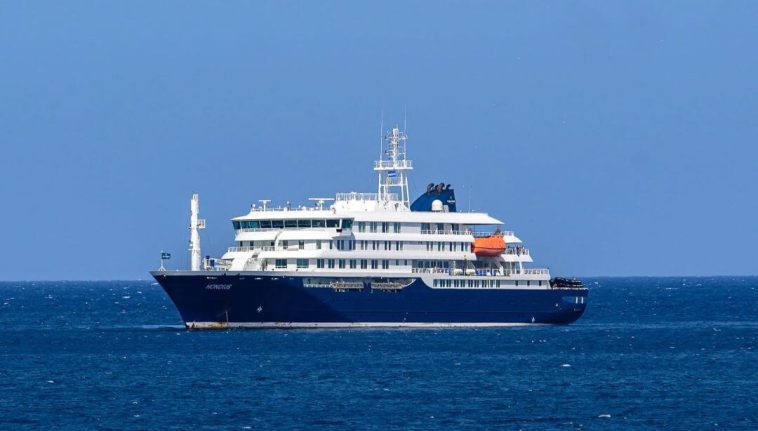
As of early May, the vessel had reached Praia, where authorities continue to monitor the situation. No new cases have been confirmed since the ship docked, but health teams remain on alert.
Hantavirus is not a disease typically associated with cruise ships, which raises pressing questions about how exposure may have occurred onboard. The virus is usually transmitted through contact with rodent urine, droppings, or saliva, often in enclosed or poorly ventilated environments.
Unlike many contagious diseases, human-to-human spread is considered extremely rare, meaning the source is likely environmental.
Early symptoms often mimic common illnesses, making it difficult to detect before it becomes severe. In serious cases, the virus can attack the lungs or kidneys, leading to life-threatening complications.
There is currently no specific antiviral treatment available. Patients with severe cases often require hospitalization and advanced supportive care, including ventilation.
While hantavirus remains rare globally, it carries a high fatality rate once symptoms escalate, particularly in cases involving respiratory complications.
For now, investigators are focused on tracing potential exposure points, testing remaining passengers, and preventing further spread.
What was meant to be an unforgettable journey through some of the most remote regions on Earth has instead become a sobering reminder that even the most exclusive travel experiences are not immune to hidden dangers.

