
>> Continued From the Previous Page <<
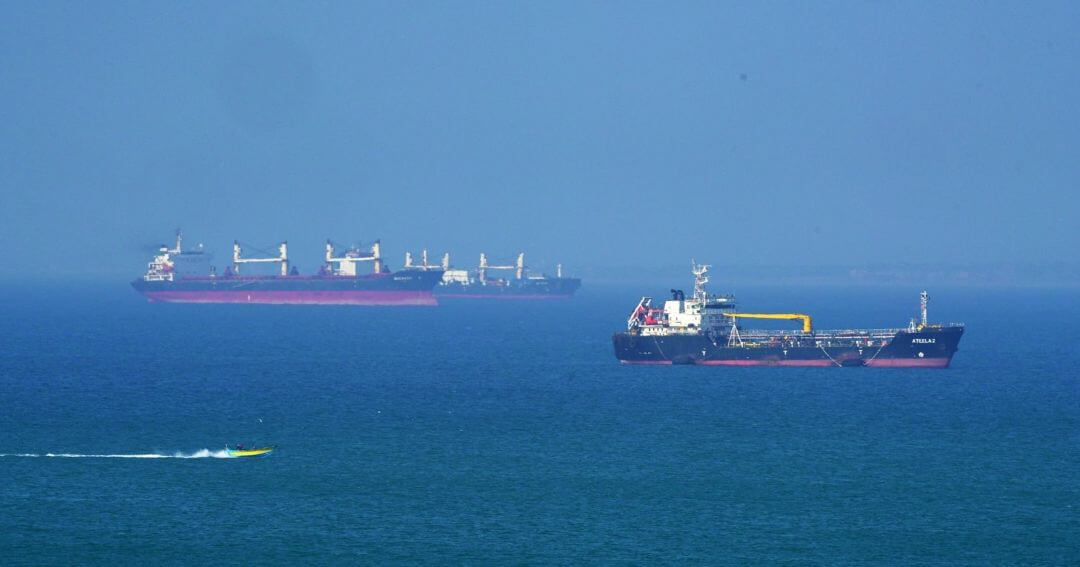
Early tracking information suggests the vessel involved may have been the Liberian-flagged bulk carrier Minoan Falcon. While the ship reportedly avoided catastrophic damage and all crew members were confirmed safe, the brazen nature of the encounter has intensified concerns about escalating instability. As of now, no group has stepped forward to claim responsibility.
The broader backdrop to the incident reveals a troubling pattern. Iran’s leadership has repeatedly issued warnings that vessels attempting to pass through the strait must comply with new demands or face potential consequences. These include paying transit fees and proving no ties to the United States or Israel—conditions widely viewed as a direct challenge to longstanding international maritime norms.

Tehran has framed these demands as part of a wider diplomatic proposal, suggesting that both Iran and neighboring Oman should collect tolls from ships using the strategic passage. Critics argue the move is less about diplomacy and more about asserting control over a route that handles a significant portion of the world’s oil shipments.
Meanwhile, the Islamic Revolutionary Guard Corps Navy has signaled a more aggressive posture in the region. The group has vowed to impose what it describes as “new equations and rules” governing activity in the Persian Gulf and surrounding waters. This shift reportedly follows direction from Iran’s Supreme Leader, Ayatollah Seyyed Mojtaba Khamenei, underscoring the seriousness of Tehran’s intentions.
Officials aligned with the regime have made it clear that vessels seen as unauthorized—or suspected of links to adversarial nations—could face interception or worse.
In response to these mounting threats, the United States has taken decisive action. Since April 13, U.S. forces under United States Central Command have enforced a naval blockade targeting Iranian ports and nearby coastal areas. The move is designed to restrict Iran’s maritime activity while maintaining open passage for international shipping that does not involve Iranian destinations.
According to a CENTCOM statement, the enforcement measures apply across the board to vessels operating within designated zones, though officials emphasize that freedom of navigation remains intact for ships merely transiting the strait.
Washington has also issued a stern warning to global shipping companies: do not comply with Iran’s toll demands. The Office of Foreign Assets Control has cautioned that any payments—whether cash, cryptocurrency, or otherwise—could trigger severe sanctions, placing companies at significant financial and legal risk.
Despite ongoing diplomatic efforts, a lasting resolution appears distant. Negotiations between Tehran and Washington have produced limited results under a fragile ceasefire that has held for roughly three weeks. Iran has reportedly introduced multiple proposals through intermediaries, including Pakistani channels, but those plans have been rejected by Donald Trump.
While indirect discussions continue behind the scenes, the lack of meaningful progress suggests that tensions in the region are far from easing. For now, the waters of the Strait of Hormuz remain as volatile as ever—leaving global shipping operators navigating not just narrow passageways, but an increasingly dangerous geopolitical landscape.

