
>> Continued From the Previous Page <<
Even more concerning are reports of job postings seemingly tailored to exclude American applicants altogether. In several documented cases—including positions at major universities—roles were allegedly restricted to H-1B visa holders. Critics say this practice raises serious questions about fairness and equal opportunity in taxpayer-funded institutions.
At the same time, allegations of widespread credential fraud have intensified scrutiny. One high-profile investigation revealed that an India-based institution, Manav Bharti University, allegedly issued tens of thousands of fraudulent degrees over more than a decade—credentials that reportedly slipped through hiring processes and were accepted by employers, including some in the United States.

Skeptics argue that the consequences go beyond hiring practices. They warn that an influx of unverified qualifications could undermine standards across the tech industry, potentially contributing to software failures, cybersecurity vulnerabilities, and costly system outages.
One incident frequently cited is a major platform disruption during Cyber Monday 2025, when an e-commerce provider experienced a widespread outage that halted transactions during one of the busiest online shopping days of the year. The disruption impacted thousands of small businesses and triggered a noticeable drop in the company’s stock value, intensifying concerns about system reliability.
Despite these risks, proponents of the current system argue that foreign labor remains critical to maintaining America’s competitive edge in technology. They point to the strong performance of leading tech stocks and say access to global talent has been a key driver of innovation and growth.
Still, frustration is mounting among voters. Calls to bring jobs back to the United States—particularly in customer service and tech support—have gained traction, with some lawmakers proposing legislation aimed at discouraging companies from outsourcing roles overseas.
One such proposal, introduced in 2025, seeks to penalize corporations that move call center operations abroad by restricting their access to federal funding. Supporters say the measure would help restore domestic employment while improving service quality for American consumers.
The issue has also gained traction on social media, where activists and commentators have voiced strong opinions about the impact of visa programs on American workers. One widely circulated post captured the sentiment bluntly:
“America does not need more visas for people from India. Perhaps no form of legal immigration has so displaced American workers as those from India. Enough already. We’re full. Let’s finally put our own people first.”
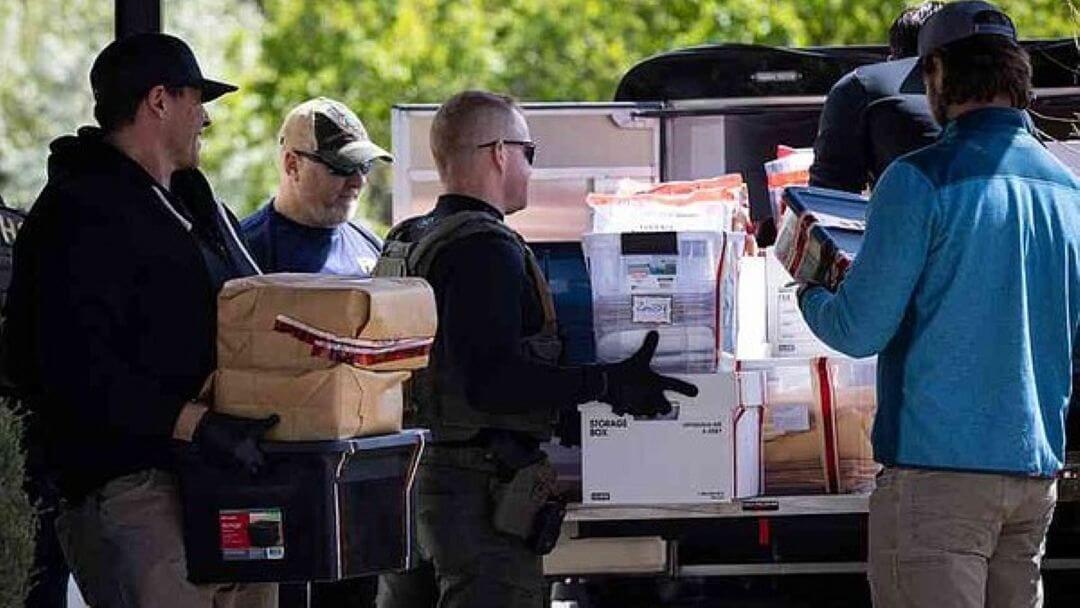
Meanwhile, law enforcement agencies are grappling with a surge in fraud cases tied to overseas operations. A recent FBI investigation uncovered a network of call centers allegedly targeting hundreds of victims, using sophisticated tactics to impersonate tech support personnel and even law enforcement officials. Losses from the scheme reportedly reached tens of millions of dollars.
Statistics suggest these scams are far from isolated incidents. A significant portion of Americans report receiving frequent scam calls, while a majority say they have encountered some form of online fraud. For many, it’s become an almost routine part of daily life—an alarming normalization of digital crime.
Critics argue that this environment reflects a broader cultural and systemic issue that extends beyond individual bad actors. They contend that weak enforcement, combined with international loopholes, has allowed fraudulent networks to thrive while exploiting American systems and consumers.
Comparisons have been drawn to domestic fraud scandals, but some analysts say the scale and sophistication of international operations represent a far more serious threat. Beyond financial losses, they warn of deeper implications for national security, particularly when sensitive data is involved.
Looking ahead, some policymakers are advocating a two-pronged strategy: stronger domestic enforcement coupled with increased pressure on foreign governments to crack down on criminal activity within their borders.
With midterm elections approaching, the issue is poised to become a major point of debate. For many voters, it cuts to the core of economic security, fairness, and trust in institutions—raising a fundamental question about who benefits from the current system, and who is being left behind.

