
>> Continued From the Previous Page <<
According to Boblet, the recording had already been running before the car was moved, meaning the mechanics were dropped right into the middle of it.
She later described the ordeal on TikTok, using the platform’s popular “put a finger down” trend to walk viewers through each painful detail.

“One of Those Moments You Can’t Undo”
Boblet didn’t hold back when describing the embarrassment.
“It takes a lot to embarrass me, but I will say, this trip to the oil change place got me,” she said. “It did.”
The viral clip quickly gained traction, pulling in thousands of views and sparking a wave of similar confessions from viewers who admitted they share the same fear.
One commenter wrote, “No, because this is one of my fears and why whenever I get work done on my car I disable Bluetooth on my phone.”
Another echoed the concern, explaining they disconnect their device every time they leave their car with a technician.
A Second Twist in the Same Visit
As if the Bluetooth mishap wasn’t enough, Boblet’s trip included another awkward layer.
Months earlier, the same shop had reportedly caused damage to her vehicle after spilling brake fluid in her garage, forcing her to deal with towing and repairs. To make up for the mistake, the business offered her a complimentary oil change — but only provided the promise on paper.
When she returned to redeem it, she didn’t have the document.
The employees initially said they had no record of the arrangement. After some back-and-forth, they ultimately honored the offer anyway.
That left Boblet in an unusual position — receiving a free service she couldn’t prove she was owed, all while unknowingly broadcasting her personal recordings to the very people working on her car.
She later admitted the experience made her feel uneasy, saying she felt like a “thief” given how everything played out.
A Wake-Up Call for Drivers
The incident highlights a growing concern in the age of connected vehicles: privacy isn’t always as private as drivers assume.
Modern infotainment systems are designed for convenience. Once paired, a smartphone will reconnect automatically, often resuming audio playback instantly when the car starts.
That means anything queued up — voice notes, podcasts, messages, or music — can begin playing without warning, regardless of who is in the driver’s seat.
Many drivers remain unaware of how seamlessly these systems reconnect, leaving them vulnerable to exactly the kind of situation Boblet experienced.
Regulators have also started paying closer attention to vehicle data and digital privacy. Recent scrutiny of automakers underscores how much information can be collected, stored, and potentially shared without drivers fully realizing it.
A Simple Fix Most People Ignore
Despite the risks, the solution is straightforward.
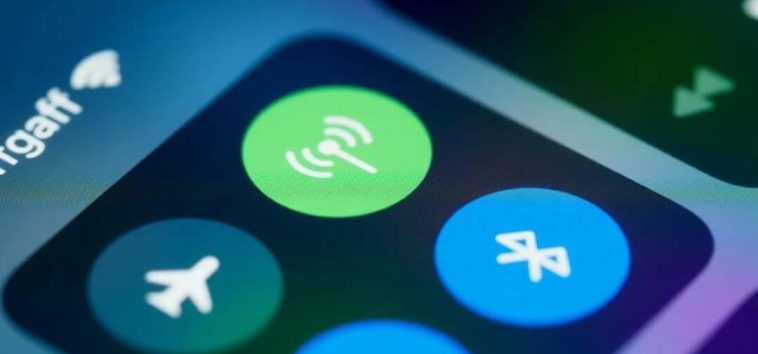
Before handing over your keys, turning off Bluetooth on your phone can prevent automatic connections. Taking an extra step to remove paired devices from the car system, clear saved locations, and log out of apps offers even greater protection.
Yet, as the online reaction shows, most drivers don’t think about any of this during a quick service visit.
Boblet’s story serves as a reminder that even small oversights can lead to big — and very public — consequences.
She may have walked away with a free oil change, but the real takeaway is one that’s now echoing far beyond a single auto shop: in a world of always-connected devices, privacy can disappear the moment you turn the key.

