
>> Continued From the Previous Page <<
Despite those diplomatic gestures, the reality on the ground told a different story.
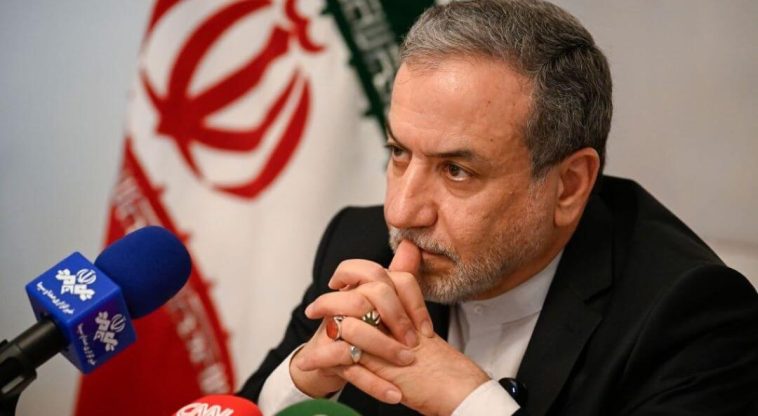
The Iranian delegation departed Islamabad early Saturday morning, just as the U.S. team prepared to arrive. The timing created an awkward and highly visible disconnect, raising concerns that both sides are still far apart on even basic coordination, let alone substantive agreements.

On the American side, the White House pressed forward.
Officials confirmed that special envoy Steve Witkoff and senior adviser Jared Kushner would continue their trip to Pakistan. The administration appears determined to keep diplomatic channels open, even as Iran signals hesitation.
White House press secretary Karoline Leavitt struck an optimistic tone, stating the delegation would travel “to hear the Iranians out. We hope progress will be made and we hope that positive developments will come from this meeting.”
But behind the hopeful rhetoric lies a more complicated reality.
This latest episode follows an earlier round of talks held on April 11, which ended without any concrete agreement. Since then, expectations for a breakthrough have remained cautious at best. Now, with both sides missing each other in Islamabad, skepticism is only growing.
At stake are several high-risk issues that continue to divide Washington and Tehran.
Negotiators are expected to address Iran’s nuclear ambitions, the possibility of sanctions relief, and the growing crisis in the Strait of Hormuz—a vital shipping route that has seen disruptions since hostilities escalated earlier this year. The economic and geopolitical implications of instability in that corridor alone are enormous, affecting global energy markets and international trade flows.
The Trump administration has already moved to extend a ceasefire indefinitely, hoping to create space for diplomacy. But without direct engagement, that ceasefire risks becoming little more than a temporary pause rather than a path to long-term stability.
Adding another layer of complexity, Iran has framed its Islamabad stop as just one leg of a larger diplomatic tour, with planned visits to Oman and Russia. That broader strategy suggests Tehran may be seeking leverage through multiple channels rather than committing fully to U.S.-led talks.
Pakistani officials, for their part, continue to project confidence. One unnamed source even pointed to a “high likelihood of a breakthrough,” though recent developments make that prediction look increasingly optimistic.
In the end, what unfolded in Islamabad was not a diplomatic breakthrough—but a missed connection.
For now, both sides remain engaged, but not aligned. And until that changes, the path forward will remain uncertain, fragile, and filled with more questions than answers.

