>> Continued From the Previous Page <<
Several videos show flames burning outside the building while large groups of demonstrators surrounded the area. Some participants reportedly hurled burning debris toward the facility as tensions intensified.
The chaotic scene also included reports of gunfire. According to a report from Fox News, at least one person may have been injured after shots were heard during the confrontation. However, the source of the gunfire has not been confirmed.

Cuban state-run media outlets quickly moved to dispute those claims.
Vanguardia de Cuba insisted that reports circulating on social media were exaggerated and misleading. Officials claimed there were no injuries from gunfire and instead blamed confusion on false images being spread online.
State media did acknowledge that authorities detained several individuals during the unrest. According to their report, five people were arrested.
Officials also claimed one participant needed hospital treatment after allegedly falling while intoxicated during the confrontation.
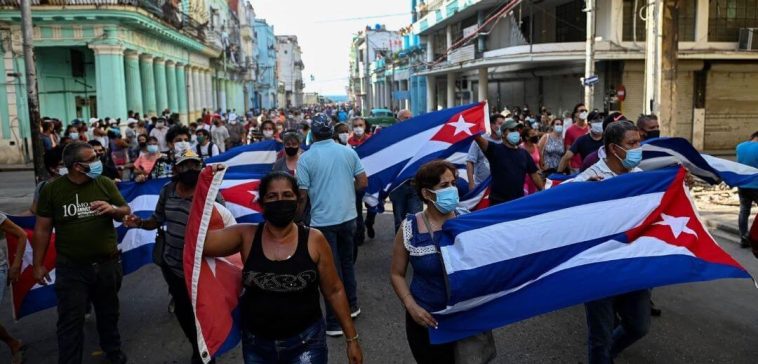
The protests in Morón did not happen in isolation. They follow a growing wave of demonstrations across the island as Cubans grow increasingly frustrated with shortages of electricity, food, and basic necessities.
Earlier this month, students at the University of Havana staged sit-ins on March 9 to protest class disruptions caused by persistent power outages and unreliable internet service.
Meanwhile, residents in several Havana neighborhoods have been engaging in nighttime “cacerolazos,” a traditional form of protest in Latin America where citizens bang pots and pans to signal discontent with their government.
These pot-banging demonstrations have been reported in districts such as Arroyo Naranjo since early February. Similar protests have also surfaced in provinces including Matanzas and Santiago de Cuba, according to Reuters.
Behind the unrest lies a worsening national energy crisis that has pushed the island’s fragile power grid to the brink.
Much of Cuba’s infrastructure dates back decades and has struggled to keep up with modern demands. Frequent equipment failures and aging power plants have made outages increasingly common.
The situation reached a breaking point earlier this month when the Antonio Guiteras thermoelectric plant, one of the country’s largest power generators, collapsed on March 5. The incident triggered massive blackouts across the country that affected up to 68 percent of the island.
The energy crisis has been further complicated by changes in international relations.
Since January, the Trump administration has imposed new pressure on Havana, including measures that have cut off oil shipments previously supplied by Venezuela.
Those shipments were a critical lifeline for the Cuban economy and helped keep the island’s aging power plants running.
With petroleum deliveries reportedly halted for more than three months, Cuba has struggled to maintain electricity production. The shortage has worsened the blackout crisis and fueled growing frustration among ordinary citizens.
Amid the unrest, Cuban President Miguel Díaz-Canel acknowledged earlier this week that his government has begun preliminary talks with officials from the United States.
According to Díaz-Canel, the discussions remain in the early stages and are aimed at addressing ongoing disputes between the two nations through diplomatic dialogue.
As part of those talks, Cuba has pledged to release 51 political prisoners. The effort was reportedly facilitated in part by mediation from the Vatican.
For many Cubans, however, the promises of negotiations and limited concessions may do little to calm the growing anger on the streets.
With blackouts continuing, supplies running short, and the economy still struggling under decades of communist control, the unrest seen in Morón could be a warning sign that larger demonstrations may still lie ahead.