
>> Continued From the Previous Page <<
Israeli military officials stated that approximately 100 fighter aircraft participated in the operation, releasing more than 250 munitions. The massive aerial assault followed what Israeli sources described as extensive intelligence gathering designed to cripple Iran’s ability to coordinate leadership decisions and military responses.
The scale of the attack underscores what Israeli leaders have repeatedly framed as a campaign to decapitate Iran’s leadership network and degrade its operational capabilities.

“Breaking News”: Fox Correspondent Details Strike
Reporting live, Fox News chief foreign correspondent Trey Yingst described the gravity of the moment in real time.
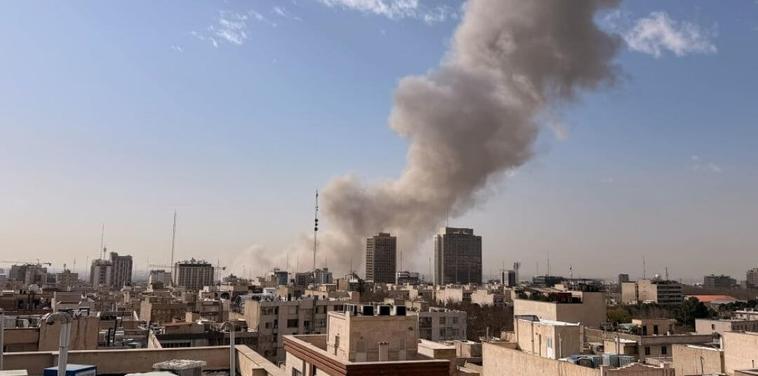
“Good morning. I do want to just start with some breaking news here before I show you the scene of one of these cluster munitions impacts just outside of Tel Aviv. But I’m told by a senior Israeli official that the Israelis just struck the Supreme Council gathering where the Iranians were meeting to choose a new Supreme leader.”
Yingst emphasized the strategic importance of the strike, adding:

“This is a significant development and again speaks to the Israeli intelligence about this war. They just targeted the meeting in Tehran, where what’s left of the leadership was gathering to choose a new Supreme Leader.”
Watch:
If confirmed, the timing of the strike could represent a devastating blow to Tehran’s efforts to stabilize its leadership following mounting internal and external pressure.
IDF Claims Elimination of Senior “Axis of Terror” Figures
The strike comes just one day after the IDF publicly declared that it had eliminated senior terrorist leaders aligned with Iran’s so-called Axis of Terror. Israeli officials have argued that Tehran’s network of proxy militias across the region — from Lebanon to Yemen — has been orchestrated and directed through centralized command channels in Tehran.
By targeting the regime’s leadership compound, Israel appears to be sending a clear message: no level of Iran’s hierarchy is beyond reach.
Late Tuesday, Yingst provided an update indicating that Israeli officials believe multiple Iranian figures involved in counting votes for the next ayatollah were killed in the strike. If accurate, that development would further complicate the regime’s succession process and deepen the uncertainty surrounding Iran’s political future.
A Turning Point in the Conflict?
Military analysts say the operation signals a shift from targeting military assets and proxy forces to striking directly at Iran’s governing elite. Such a move carries enormous risk — but also enormous strategic impact.
With Tehran’s top decision-makers potentially thrown into chaos, questions now loom over how the regime will respond. Will Iran attempt retaliation? Or will the blow to its leadership compound slow its ability to coordinate a meaningful counterstrike?
One thing is clear: Israel’s campaign has entered a new and far more dangerous phase.
As the dust settles in Tehran, the world is watching to see whether this unprecedented strike marks the beginning of a broader unraveling of Iran’s ruling structure — or the spark that ignites an even wider regional conflict.

