
>> Continued From the Previous Page <<
Last year, lawmakers expanded the primary residence tax credit from $500 to $1,600 per year. That move eliminated property taxes entirely for roughly 50,000 households and reduced bills for nearly 100,000 more.
The program costs about $400 million for the 2025 and 2026 budgets, a manageable expense for a state that chose energy production over climate mandates.

“It works, and we know we can build on it to provide even more relief and get property taxes to zero for the vast majority of North Dakota homeowners,” Armstrong said.
Republicans argue this is what responsible governance looks like. Instead of inventing new programs, they returned surplus revenue directly to taxpayers.
Florida Moves Toward a Statewide Vote on Ending Property Taxes

Florida Governor Ron DeSantis is pushing an even broader plan. His proposal would place a constitutional amendment on the November 2026 ballot that gradually eliminates all non-school property taxes on primary residences over ten years.
Florida lawmakers are currently advancing four separate amendments, but DeSantis has made it clear he wants one unified plan voters can understand.
During a Tampa news conference, he challenged the logic behind rising local budgets.
“These local governments get a gusher of revenue when people buy homes and their budgets go up 60 percent,” DeSantis said. “Rather than return that money to taxpayers, they spend it.”
DeSantis is using his Florida DOGE initiative to audit local government spending. The findings, he says, show that when home values skyrocketed, spending ballooned even though services did not.
Democrats claim Florida would need to double the sales tax to 15 percent to make up the revenue. DeSantis dismisses that claim, pointing to budget surpluses and bloated local spending.
Florida voters will need 60 percent approval to pass the amendment. Democrats are betting voters will distrust the math. DeSantis is betting voters are tired of paying permanent rent on homes they already own.
Texas Targets the Largest Piece of the Property Tax Puzzle
Texas has already taken major steps. Voters approved three constitutional amendments in 2023 and 2024 that compressed tax rates and expanded homestead exemptions. Governor Greg Abbott says that was only the beginning.
He now wants to eliminate school property taxes by using Texas’ recurring budget surpluses to buy them down year after year.
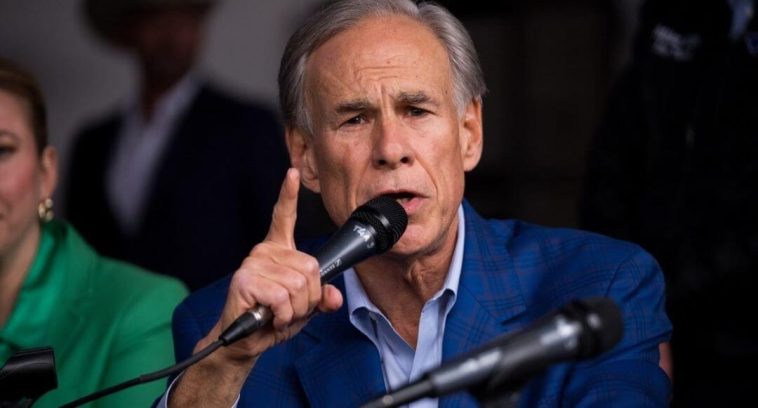
“Every single year, you, my constituents, keep saying our property taxes are too high,” Abbott told supporters at a campaign stop in Fort Worth. “We have to do more to lower them.”
Texas has no income tax, which is why property taxes carry most education funding. Abbott is now challenging the idea that this system cannot be replaced.
Teachers unions and Democrats are already organizing against the plan, warning of school funding cuts. Abbott is staking the 2026 election on delivering permanent relief.
Georgia and Indiana Push Structural Overhauls
Georgia Republicans unveiled a phased approach that begins with $1 billion in immediate tax relief. The plan gradually raises the homestead exemption from $5,000 to $150,000 by 2031. By 2032, most homeowners would owe little to nothing in property taxes.
“No one should ever face the loss of their home because they can’t pay rent to the government,” Georgia Republican House Speaker Jon Burns said.
The proposal caps revenue growth for other property types and requires voter approval for increases in service fees.
Indiana lawmakers are moving even faster. House Bill 1288 abolishes taxes on tangible property after December 31, 2026, and eliminates property taxes entirely in 2027. Lost revenue would be replaced by expanding sales and service taxes, with funds redistributed to local governments.
It is the boldest experiment of all and one that could define future tax reform nationwide.
The Political Stakes Could Not Be Higher
Property taxes fund most schools and local governments nationwide, which is why Democrats argue the system cannot change. Republicans in five states are calling that assumption outdated.
They argue seniors on fixed incomes, young families struggling to buy homes, and middle-class Americans are being pushed out by a tax that never ends.
These governors are betting that voters will remember who fought to protect their homes and who fought to protect government revenue streams.
With the 2026 elections approaching, the outcome may determine whether property taxes remain a permanent fixture or become a relic of the past.

