
>> Continued From the Previous Page <<
Once those words were published, context ceased to matter. Intent was irrelevant the moment the article went live. The media machine did what it always does: isolate the most inflammatory language, amplify it, and ignore anything that might soften the blow.
The interview also included an unflattering characterization of Elon Musk attributed to Wiles, further reinforcing the chaotic tone of the piece. The overall presentation was messy, negative, and predictably unbalanced—an outcome that should surprise no one who has watched how legacy media outlets operate when Republicans lower their guard.

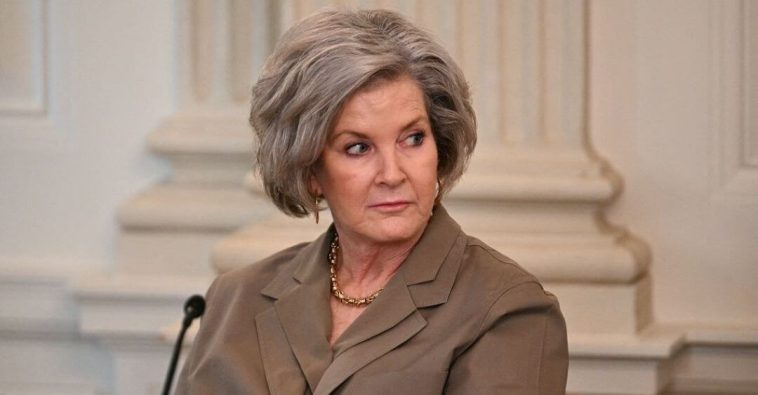
Notably, Wiles did not deny making the remarks. Instead, she pushed back hard on how the interview was framed and presented to the public. On Tuesday morning, she took to X to blast the article as a deliberate distortion.
“The article published early this morning is a disingenuously framed hit piece on me and the finest President, White House staff, and Cabinet in history.
Significant context was disregarded and much of what I, and others, said about the team and the President was left out of the…”
She went on to defend President Trump’s record and made clear that she considers it an honor to serve in his administration, emphasizing loyalty and pride rather than regret.
White House Press Secretary Karoline Leavitt quickly stepped in to reinforce that message. Leavitt publicly praised Wiles’ leadership and underscored the administration’s unity, leaving no doubt about where the White House stands.
“Chief of Staff Susie Wiles has helped President Trump achieve the most successful first 11 months in office of any President in American history.
President Trump has no greater or more loyal advisor than Susie.”
Despite those defenses, the damage was already done. Two senior officials were forced into public cleanup mode, which only highlighted the core mistake: agreeing to sit down with Vanity Fair in the first place.
Whether Wiles’ comments were accurate, affectionate, or casually phrased is beside the point. The far-left media does not protect Republicans from themselves. These outlets exist to shape narratives that consistently advance Democratic interests—both immediate and long-term.
This pattern has been proven over decades. The corporate press functions less like a neutral observer and more like an in-kind contribution to the Democratic National Committee, selectively editing reality to fit a predetermined storyline.
This entire episode was avoidable. It required only one decision: declining the interview. There was nothing to gain and plenty to lose. No amount of experience, good faith, or insider status can outmaneuver a hostile press determined to inflict damage.
Shame on Wiles—not necessarily for what she said, but for believing this saga would end any other way. A seasoned political operative should know better. Republicans, as a whole, should know better.
The rules are not neutral. The playing field is not fair. And the only winning move, more often than not, is refusing to play at all.

