
>> Continued From the Previous Page <<
“The man who’s fighting to Make America Healthy Again just scored a major victory,” the report declares, cementing this as not just a business decision but a cultural win for health advocates.
Seven notorious food dyes—Red 3, Red 40, Green 3, Blue 1, Blue 2, Yellow 5, and Yellow 6—are now on the chopping block. For decades, these dyes have colored American food with no purpose beyond looking bright and eye-catching. They’re petroleum-based chemicals that health experts have long warned about, yet manufacturers kept using them as business-as-usual.

But the revolution isn’t being led solely by corporate giants. Across America, small businesses are blazing the trail for dye-free treats.
Stella’s Homemade Ice Cream in South Carolina began removing artificial dyes after a personal family struggle—the owner’s niece couldn’t safely enjoy traditional ice cream because of dietary restrictions.
Meanwhile, Wisconsin’s King Cone is fast-tracking their dye-free mission, vowing to ditch synthetic colorants by the end of 2025—a full three years ahead of the broader industry target.
“Families with children sensitive to dyes were unable to enjoy brightly colored ice creams,” King Cone revealed, shedding light on how this issue has quietly affected countless American families.
These mom-and-pop shops are proving one thing loud and clear: ice cream can be delicious and vibrant without the baggage of chemical additives.
Customers are rallying behind them. At Stella’s, feedback has been overwhelmingly supportive ever since the shift to natural dyes, showing that American consumers reward businesses that prioritize health over artificial shortcuts.
“This shows that when companies do the right thing, Americans support them,” the report emphasizes.
So what’s replacing those neon chemicals? Natural alternatives are stepping into the spotlight.
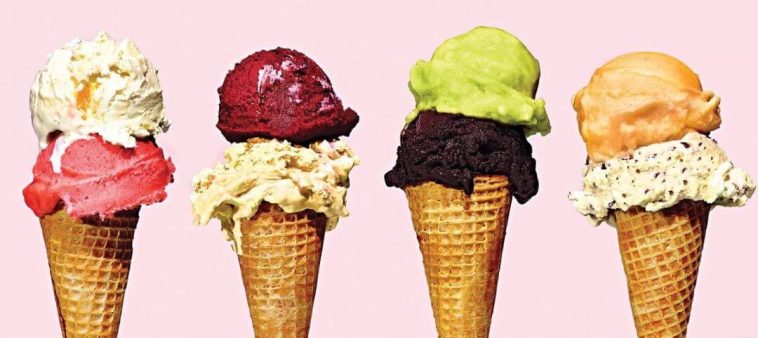
Brands are now experimenting with colorants derived from real foods—ingredients like spirulina, turmeric, and purple carrot juice. Meanwhile, the FDA is pushing to approve new options such as butterfly pea flower extract and galdieria extract blue, ensuring American companies have more tools to create colorful, clean products.
These new dyes come from genuine food sources rather than fossil fuels—and though they may cost slightly more, families are seeing them as an investment in their kids’ health.
Big names like Breyers and Häagen-Dazs are sinking significant resources into these healthier manufacturing processes, signaling a new chapter in America’s beloved ice cream industry.
“This is the kind of innovation that makes America great—putting health and safety first,” the article affirms.
The United States is also finally aligning with global standards. While American food regulators have historically waved off artificial dyes as “safe enough,” European nations have demanded warning labels for synthetic colors, pressuring companies to switch to natural alternatives.
Kennedy and his supporters want to bring that same level of consumer protection home, refusing to accept outdated assurances from bureaucrats.
States are already stepping in where federal agencies have dragged their feet. California and West Virginia have taken action to limit artificial dyes in school meals, while Texas is preparing to slap warning labels on foods containing synthetic dyes starting in 2027.
Rather than wait for regulators to force their hand, ice cream manufacturers are choosing to lead voluntarily—sending a powerful message that American businesses can put families first without being forced by law.
“This shows that American businesses can lead when they put families first,” the piece proclaims.
For parents, it’s a major win. Soon, ice cream won’t just be fun and colorful—it’ll also be free of the chemicals that have alarmed doctors and parents alike for decades.
“The bright colors that make ice cream fun will now come from real food sources instead of chemicals,” the report explains.
Thanks to determined advocacy and business leadership, Americans are proving they don’t have to sacrifice health for the simple joys of life—like a scoop of ice cream on a summer day.
Kennedy’s campaign to Make America Healthy Again has delivered real, measurable results.
“He’s showing that we don’t have to choose between enjoying our favorite treats and protecting our health,” the article asserts.
With this bold move by the ice cream industry, America is proving that businesses can absolutely “do the right thing when they have strong leadership.”
It’s a sweet victory—for parents, kids, and anyone who wants to enjoy dessert without a side of chemicals.
“American families deserve clean, safe food—and now they’re getting it,” the report concludes, underscoring this as one of the most significant wins yet for health advocates.

