
>> Continued From the Previous Page <<
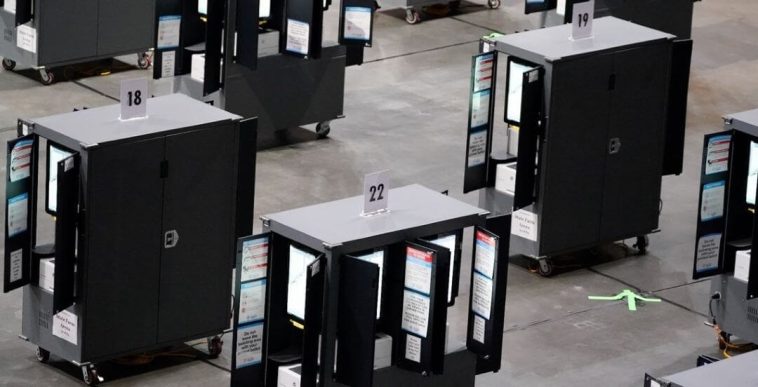
Dr. J. Alex Halderman, a computer science professor at the University of Michigan, provided stunning evidence of the system’s weaknesses. In a live demonstration, he successfully hacked the Dominion ICX voting machine using nothing more than a BIC pen and other readily available tools that could be purchased on Amazon.
One of the most disturbing findings from Dr. Halderman’s demonstration was that these hacks could alter ballots in a way that did not align with voter intent. If a voter selected Candidate A, the system could be manipulated to print a ballot showing a vote for Candidate B. Worse, the QR code used for tabulation would also reflect a vote for Candidate B, even if the human-readable text on the ballot suggested otherwise.

Perhaps the most alarming aspect of Dr. Halderman’s findings was that the voting system allowed for a form of deception so sophisticated that even voters who double-checked their printed ballots could still have their votes switched during tabulation. The human-readable portion of the ballot could correctly reflect the voter’s choice, yet the QR code—used to actually count the vote—could be secretly altered to favor another candidate.
This revelation sent shockwaves through election integrity circles, raising urgent concerns about the reliability and security of Georgia’s election system. Despite the evidence presented, the lawsuit has now been dismissed, leaving many to wonder what steps, if any, will be taken to prevent such vulnerabilities from being exploited in future elections.
The lawsuit dragged on for nearly a decade, culminating in a 17-day trial, only for Judge Totenberg to take another 14 months to deliver her ruling. This delay has raised serious questions about the handling of the case and the judicial system’s ability—or willingness—to address critical election security concerns in a timely manner.
Just Released: Trump White House Collector’s Bobblehead!
The Gateway Pundit is actively reviewing Judge Totenberg’s full 33-page decision and will continue to provide updates on any significant findings or implications for future election security measures.
One thing is clear: If an eight-year legal battle, complete with undeniable courtroom evidence of election system vulnerabilities, can be tossed out over jurisdictional technicalities, what hope is there for ensuring truly secure and transparent elections in the future?

