
>> Continued From the Previous Page <<
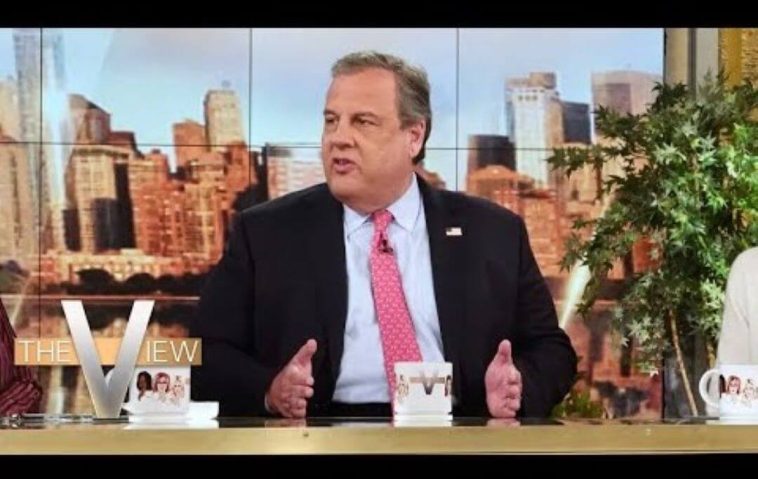
Sunny Hostin, another co-host, jumped in, urging Christie not to “throw away” his vote. She reminded him of their previous conversation where he had mentioned considering sitting out the vote. “I asked you the last time you were on, Chris, and you’re going to sit this one out,” she said, pressing him on his decision.
Navarro then challenged Christie’s stance, pointing out what she saw as a contradiction. “Don’t you think it’s rich for you to tell the Democrats that they’ve got to get rid of their nominee when you’re not willing to vote for any of their nominees?” she asked. Christie defended his position, clarifying that he was still waiting to see what the Democratic Party would do. “Wait a second, you just asked me who I’m voting for now; Biden is the nominee. Let me see what the Democrats do,” he said.

Hostin emphasized the importance of participation in this crucial election. “This is not the time to sit it out, governor!” she urged, underscoring the high stakes of the current political climate.
Christie then offered a piece of strategic advice to the Democrats, suggesting that Vice President Kamala Harris should consider choosing a moderate running mate like Pennsylvania Governor Josh Shapiro to attract disenchanted Republicans. Navarro, seizing on this point, asked if Christie would vote for such a ticket. Christie’s response was measured. “Don’t know. Let me see what they have to say,” he replied. “I’m sorry that I care for what people stand for. I apologize.”
This exchange highlights a significant moment in the current political discourse, reflecting the frustration and disillusionment felt by some voters. Christie’s reluctance to support either of the major candidates speaks to a broader sentiment of dissatisfaction within the electorate. His call for a more moderate approach could signal a potential shift in how parties may need to address voter concerns moving forward.
Carry 46 rounds concealed? (comfortably)
The discussion on “The View” is a microcosm of the larger national conversation about the future of American politics. Christie’s remarks may resonate with those who feel politically homeless, caught between a rock and a hard place with the current choices for president. As the election approaches, his stance raises critical questions about voter engagement, the role of political parties in addressing diverse viewpoints, and the importance of having candidates who truly represent the values and needs of the American people.
Christie’s appearance on “The View” has undoubtedly stirred the pot, prompting a reevaluation of the conventional wisdom surrounding voter loyalty and the pressure to choose between the lesser of two evils. Whether his message will inspire a movement towards greater political introspection or simply spark more debate remains to be seen. One thing is clear: Chris Christie’s candidness has added a new dimension to the conversation, challenging both parties to reflect on their strategies and the candidates they put forward.

