
>> Continued From the Previous Page <<
Trump’s affinity for Florida is well-documented. In 2019, he changed his primary residence from New York to Florida, citing unfavorable treatment by New York’s political leaders despite his substantial tax contributions to the state. “I cherish New York, and the people of New York, and always will,” Trump stated at the time, expressing regret over the move which he deemed best for all concerned.
To resolve the constitutional quandary if Rubio were indeed to be Trump’s vice-presidential choice, options exist, albeit complex. Drawing a parallel, PolitiFact recalls how Dick Cheney, in a similar predicament, changed his residency from Texas to Wyoming in 2000, thus enabling his vice-presidential run alongside George W. Bush. Similarly, Rubio might consider relinquishing his Senate seat and leaving Florida, though such a move carries its own set of risks and complications, with no guaranteed electoral victory.

Rubio is slated to hold his Senate seat until early 2029, adding another layer of complexity to the decision. The legal and political ramifications of changing residency for electoral advantages could spark considerable debate and potential backlash.
Carry 46 rounds concealed? (comfortably)
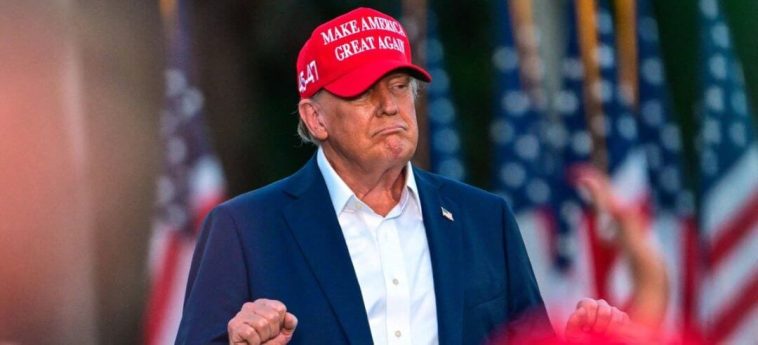
Ultimately, while the choice of running mate is indeed a personal decision for Trump, the constitutional barriers and the strategic disadvantages posed by the Rubio option make it a less than ideal choice. As the political landscape continues to evolve, the former president must weigh these considerations carefully. The decision has far-reaching implications not only for his campaign strategy but also for the Republican Party’s prospects in the upcoming election.

