
>> Continued From the Previous Page <<
One intelligence insider, speaking anonymously, told the outlet that this is only one of several theories being explored. But the official did not shy away from acknowledging the intense pressure Afghan allies have lived under since the U.S. withdrawal. “It is by no means our only line of inquiry,” the source said. “People in this country have no idea about the level of stress these people are under.”
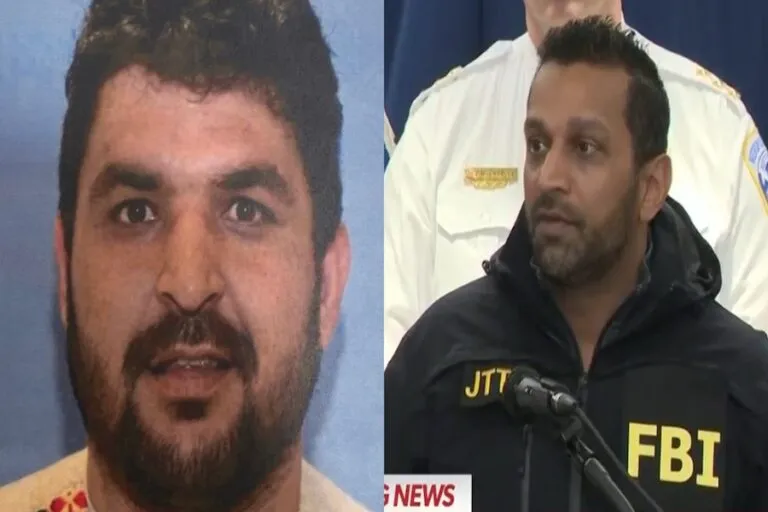
The political fallout has been immediate. Former President Trump, along with numerous conservative commentators, has already labeled Lakanwal a “monster” and “terrorist.” Many have demanded that the suspect face the harshest punishment possible, including federal execution, given that the assault targeted U.S. service members in the nation’s capital.

Investigators remain troubled by several inexplicable details. Lakanwal had been panicked about financial problems and feared that Trump-era immigration enforcement could jeopardize his ongoing Green Card process. He reportedly believed that a denial could send him back into Taliban territory—a place where his past work alongside American forces would make him a marked man. Yet none of that explains why he would suddenly travel cross-country with nothing more than a revolver and confront two trained soldiers in what looked less like an attack and more like a suicide mission.
Even more puzzling: Lakanwal had no criminal background. No radical affiliations. No red flags uncovered in multiple vetting processes under both the Biden and Trump administrations. For years, he lived quietly in the U.S., working and raising a family. Nothing in his orbit suggested he would erupt into violence.
His immigration status adds another layer of controversy. Lakanwal entered the United States in 2021 as part of President Biden’s Operation Allies Welcome. His visa eventually expired, leading him to apply for asylum in 2024—a request that was ultimately approved in April 2025 under the Trump administration. That approval, however, did not affect his underlying “parole” status.
A White House official told the Daily Mail that removal proceedings were never planned. “This Afghan national was paroled into the US by the Biden Admin,” the official said. “After that, Joe Biden signed into law that parole program, and entered into the 2023 Ahmed Court Settlement, which bound USCIS to adjudicate his asylum claim on an expedited bases. Regardless of asylum status, this monster would not have been removed due to his parole status, granted by Joe Biden.”
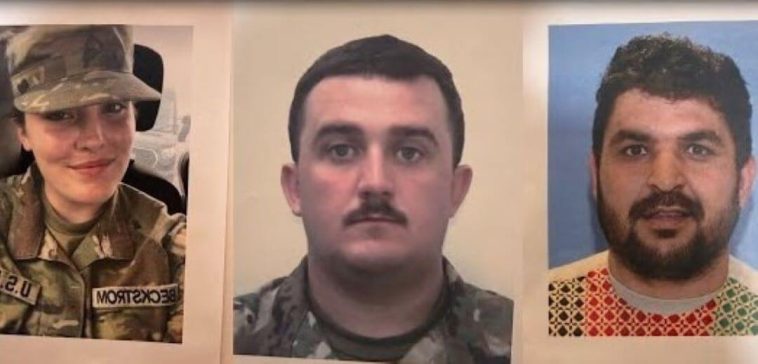
Perhaps the most startling revelation came from CIA Director John Ratcliffe, who confirmed that Lakanwal previously worked as a GPS-tracking specialist embedded with American Special Forces in Afghanistan. That means he wasn’t just a civilian helper—he was plugged directly into U.S. intel operations. Now, that same man stands accused of executing U.S. servicemembers on American soil.
As investigators continue piecing together what drove this deadly attack, one thing is certain: the implications stretch far beyond a single crime. Whether this was an act of terror, foreign blackmail, or a catastrophic failure of vetting, Washington is once again facing questions it cannot ignore.

