
>> Continued From the Previous Page <<
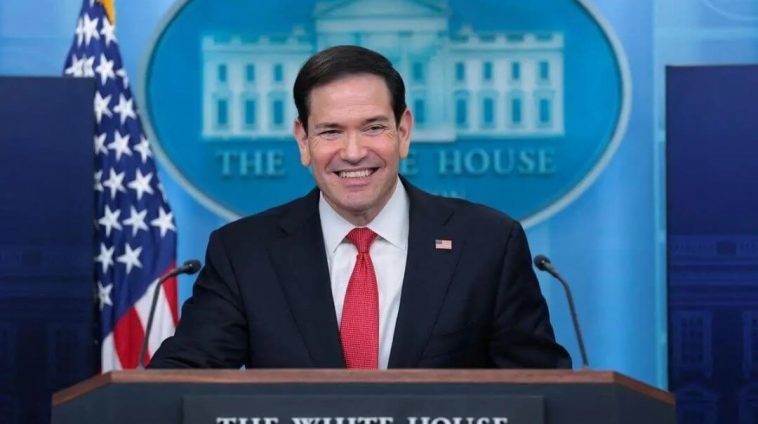
At one point, as reporters shouted over one another in the packed briefing room, Rubio cracked a joke that instantly lightened the atmosphere.
“This is chaos, guys,” Rubio joked while trying to regain control of the room.

“Welcome to the White House,” someone shouted back.
The exchange immediately spread across social media, where many conservatives praised Rubio’s calm demeanor and command of the briefing.
But the real takeaway wasn’t just Rubio’s humor.

It was the unmistakable message that he has become one of the central figures inside Trump’s orbit.
Rubio repeatedly framed America’s posture toward Iran through Trump’s leadership, making it clear who was directing policy and who deserved the credit.
“As President Trump has said, and the facts clearly bear out, the United States of America holds all the cards,” Rubio said during the briefing.
That line perfectly captured the administration’s broader messaging strategy as tensions with Iran continue dominating headlines following Operation Epic Fury and the ongoing standoff around the Strait of Hormuz.
Rubio also defended Trump’s constitutional authority regarding military operations, backing the president’s criticism of the War Powers Act.
The 1973 law was passed after Vietnam and requires congressional approval for extended military action. But Rubio argued that presidents from both parties have long viewed the law as an unconstitutional restriction on executive authority.
Notably, Rubio said he held that belief even during his years serving in the Senate.
The secretary of state also announced that the administration believes direct conflict with Iran has subsided and that the United States is now entering what he described as a “new phase” centered on reopening commercial shipping lanes and freeing vessels trapped near the Strait of Hormuz.
That statement immediately caught the attention of energy markets and foreign policy analysts who have been closely monitoring disruptions in one of the world’s most critical oil chokepoints.
But the political implications of Rubio’s performance may end up lasting longer than the briefing itself.
With Vice President J. D. Vance widely viewed as a leading contender for the Republican nomination in 2028, Rubio’s appearance instantly reignited speculation about whether he could emerge as a serious rival for the future of the MAGA movement.
Trump himself has repeatedly praised Rubio in recent months, publicly describing him as “totally involved” in sensitive diplomatic negotiations involving Iran.
Rubio has also become deeply involved in the administration’s Latin America strategy, particularly concerning Venezuela and Cuba.
Following the American-led operation targeting Venezuelan dictator Nicolás Maduro, Rubio reportedly became one of Trump’s most trusted voices shaping policy in the region.
He has also participated in diplomatic discussions involving Russia and Ukraine as the administration continues pursuing negotiations aimed at ending that war.
Perhaps the most remarkable part of Tuesday’s performance was how naturally Rubio handled the briefing room itself.
He called reporters by the colors of their outfits, joked with journalists, and even paused to defend LindellTV correspondent Cara Castronuova after laughter erupted when she asked a question.
“No they’re not mean. I don’t think they are, I hope not,” she responded after Rubio asked if the press corps was treating her unfairly.
The moment showcased a lighter side rarely seen inside the often combative White House briefing room.
It also highlighted Rubio’s growing comfort operating not just as America’s top diplomat, but as one of the administration’s most visible public faces.
That matters because Republican voters are already beginning to quietly assess what the post-Trump era could look like.
And after Tuesday’s performance, Rubio made one thing very clear.
He intends to be part of that conversation.

