
>> Continued From the Previous Page <<
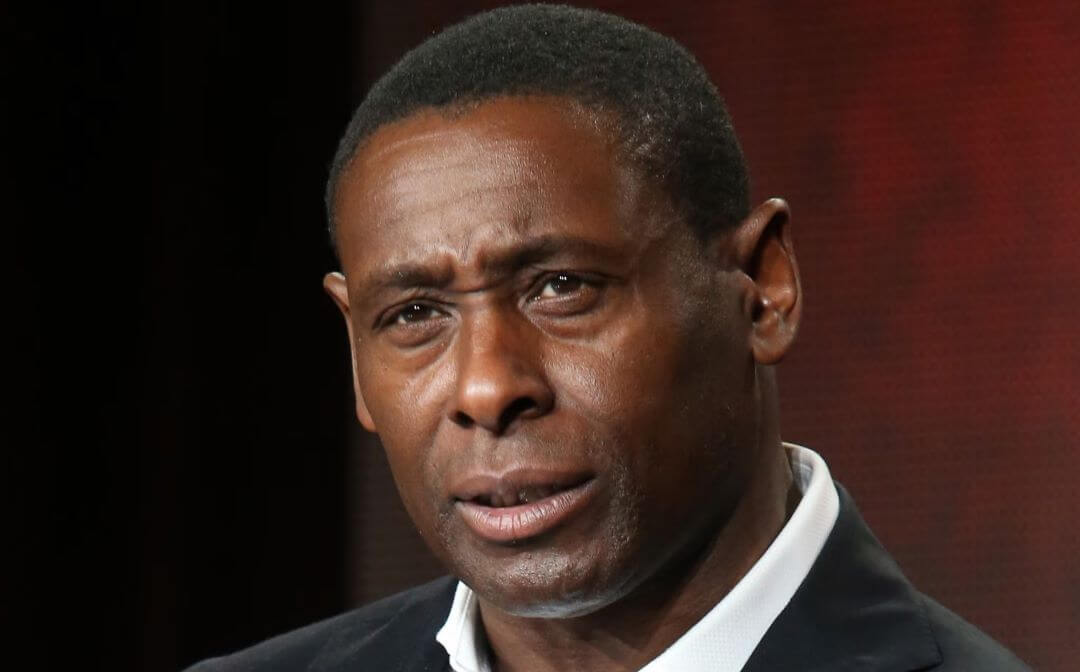
Throughout his illustrious career, Harewood has navigated a path filled with both acclaim and adversity. His landmark portrayal of a CIA chief in “Homeland” marked a significant achievement, yet his journey was marred by racial prejudice and intense scrutiny. Reflecting on his earlier days, Harewood recalled the harsh criticism he faced when cast as Romeo in an all-black version of Shakespeare’s play. Critics harshly questioned his qualifications and appearance, with one stating, “Apparently this man went to Rada. Why did they let him in? Why did they let him out?” and another remarking, “He doesn’t look like Romeo; he looks more like Mike Tyson.”
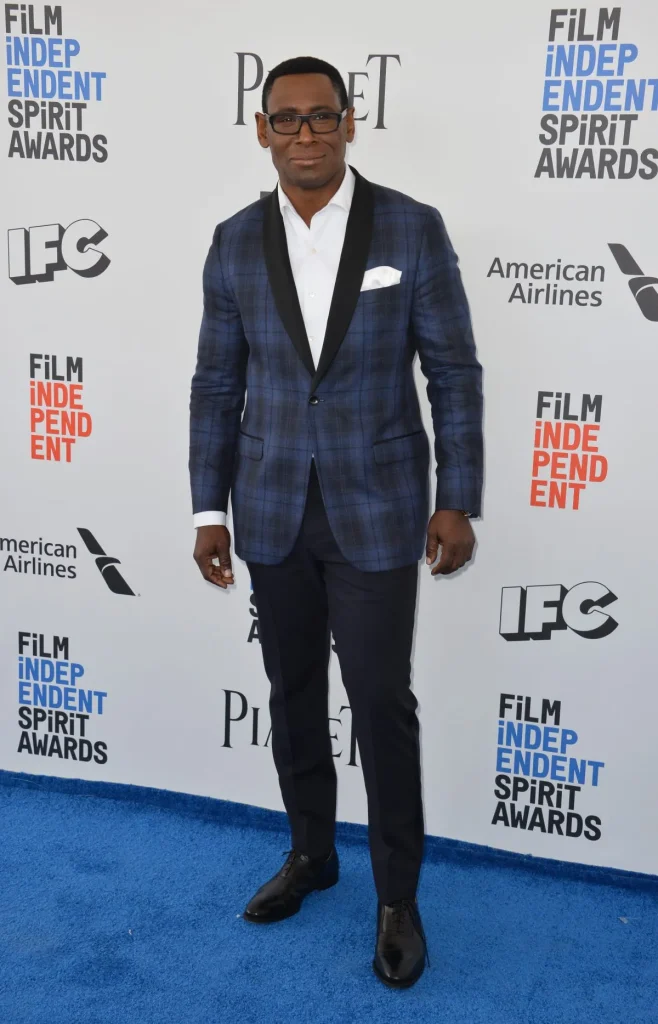
As the head of RADA, Harewood is now in a position to influence change within one of the most prestigious drama schools, which has acknowledged its struggles with “institutional racism.” His critique of DEI extends to broader controversies within the industry regarding race-specific roles and casting choices, highlighting the tension between inclusivity and artistic expression.

“We’re at this strange point in the profession where people go: ‘Oh, you can’t play that role because you’re not disabled, or you can’t play that because you’re not really from there,'” Harewood explained, emphasizing that acting is fundamentally about embodying characters different from oneself.
The actor also touched upon the recent trend of casting actors of color in roles traditionally played by white actors, advocating for a balanced approach to representation. In a bold statement about the limits of DEI, Harewood said, “Yes, we’ve got to be representative, but I do think we have to be careful. That even extends to Othello in blackface. I say, if you want to black up, have at it, man. It’d better be f*cking good, or else you’re gonna get laughed off the stage. But knock yourself out! Anybody should be able to do anything.”

ALERT! Major Water Restrictions In Effect!
Harewood’s comments offer a critical perspective on the intersection of race, representation, and artistic freedom in Hollywood. His stance highlights the complex dynamics of an industry grappling with how best to embrace diversity while respecting the art of performance.

