
>> Continued From the Previous Page <<
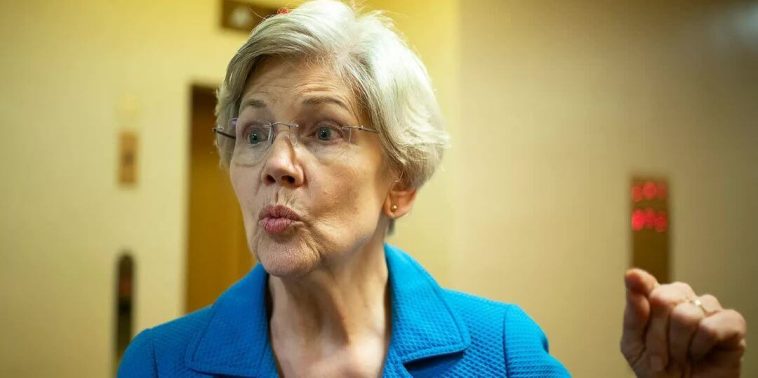
Warren responded by pointing out that border crossings are currently lower than they were during the final year of the Trump administration. She argued that comprehensive reform, including a pathway to citizenship, is essential and needs congressional action.
“Well, let’s remember to start with the facts, and that is that border crossings now are lower than they were in the last year of the Trump administration. But recognize and I know that Kamala Harris knows this. This is a problem that ultimately has to be solved by Congress. We need the tools and order to have more resources at the border, to have more resources in the states and cities that are supporting migrants, and I believe we need to create a pathway to citizenship. All of that is part of what we need to do for comprehensive immigration reform. Kamala Harris will work with Congress and get that done.”

Warren also criticized former President Donald Trump, claiming that he disrupted a bipartisan deal on border security to create chaos, which he believed would benefit him politically. This accusation reflects ongoing tensions between the two parties over how to handle immigration and border security.
In the same interview, Warren addressed the current state of the Supreme Court, alleging that the conservative majority is “actively undermining” American democracy. She hinted at the possibility of significant judicial reforms, including term limits for justices or increasing the number of justices on the bench, without needing a constitutional amendment.
“I think we’ve got all the Democrats who are ready for meaningful ethics reform to bind the Supreme Court and we’re working on changes to the Supreme Court. It can be term limits, it could be adding the number of justices things we can do without having to have a constitutional amendment. I think what President Biden is doing is think about this moment, here is a man who’s been a transformative president. He’s gotten an enormous amount done and yet he has stepped away and he has passed the torch to Kamala Harris. Why has he done that? He’s done it as an act of patriotism for our nation. And he is saying, we not only have to have a president who is here for the nation and who will heal us and bring us together. We also have to change our Supreme Court.”
Warren further argued that the Supreme Court’s current stance grants excessive power to the president while limiting Congress’s ability to authorize agency actions. She stressed that the upcoming election would be crucial for determining the future composition and direction of the Court.
Carry 46 rounds concealed? (comfortably)
“We also have to change our Supreme Court because right now we have a Supreme Court that has basically jumped the guard rails and is out there giving power to the president, saying that the president can commit any act that the president wants, saying that Congress cannot authorize agencies to act. So we’ve got a Supreme Court that is actively undermining our democracy. I think what Joe Biden will do over the next six months is he’s going to keep drawing that to the attention of the American people and reminding them when they vote in November, the Supreme Court is on the ballot, and that is a good reason to vote for Kamala Harris, to vote for Democrats in both the Senate and the House.”
Warren’s remarks highlight the deep ideological divides within American politics. Her support for Harris signals a clear intent to push progressive immigration policies and substantial judicial reforms. However, this approach is likely to face fierce opposition from conservative lawmakers and voters who view these proposals as too radical.
All signs suggest that if Kamala Harris wins the presidential election, her administration will likely pursue the most left-leaning agenda in American history. This potential shift raises questions about the future of U.S. immigration policy, the balance of power within the federal government, and the integrity of American democracy.
As the election approaches, the debate over these critical issues is expected to intensify, reflecting the broader struggle for the nation’s political and ideological direction.

