
>> Continued From the Previous Page <<
The U.S. strategy in Yemen was clarified by an anonymous diplomat in a statement to The Washington Post, indicating that America does not aim to conquer the Houthis but rather to limit their capabilities to launch future attacks. This involves striking essential infrastructure and targeting high-level military assets of the Houthis. Despite these efforts, recent actions suggest that the deterrence strategies are failing to curb Houthi activities effectively.
Adding to the complexities, U.S. Central Command reported this Friday that the Houthis had fired three anti-ship ballistic missiles into the Red Sea, fortunately without causing any injuries. The U.S. remains committed to protecting international shipping lanes in the Red Sea and Gulf of Aden, as articulated by Pentagon Deputy Press Secretary Sabrina Singh during an April briefing.

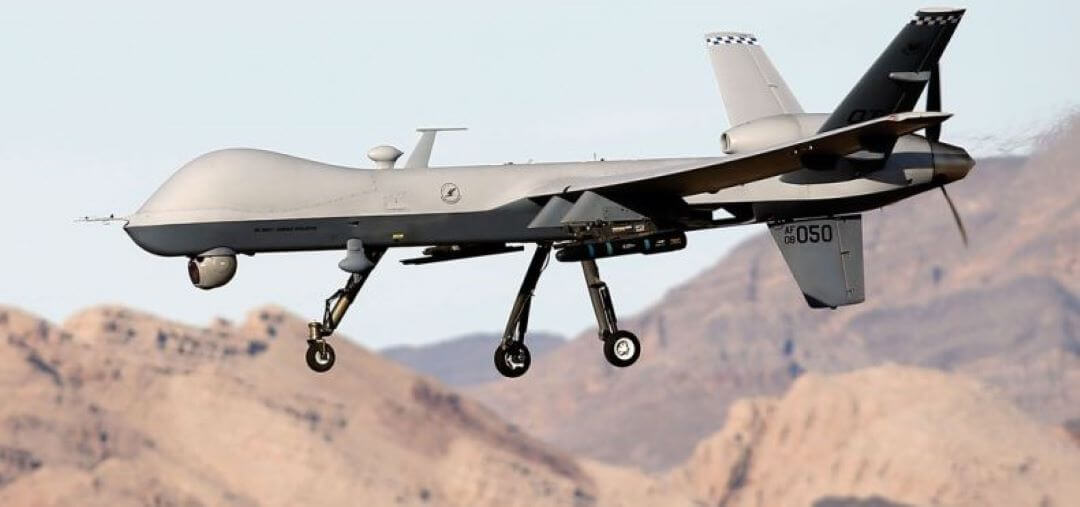
The persistent challenges in the region highlight the limitations of drone warfare, especially against non-conventional forces like the Houthi rebels. These are not well-equipped soldiers but rather resourceful, desert-based insurgents who have shown a surprising capability to counter advanced military technologies. This raises concerns about the U.S.’s preparedness and strategic effectiveness should conflicts arise in other volatile regions, such as Asia or Eastern Europe.
ALERT! Major Water Restrictions In Effect!
As President Biden continues to navigate the intricate web of Middle Eastern politics, comparisons to the quagmire faced by Johnson during the Vietnam War are becoming more pronounced. The financial and strategic setbacks stemming from the drone losses, coupled with the still-fresh memories of a chaotic withdrawal from Afghanistan, serve as stark reminders of the enduring challenges and high stakes involved in American foreign policy in the Middle East.

