
>> Continued From the Previous Page <<
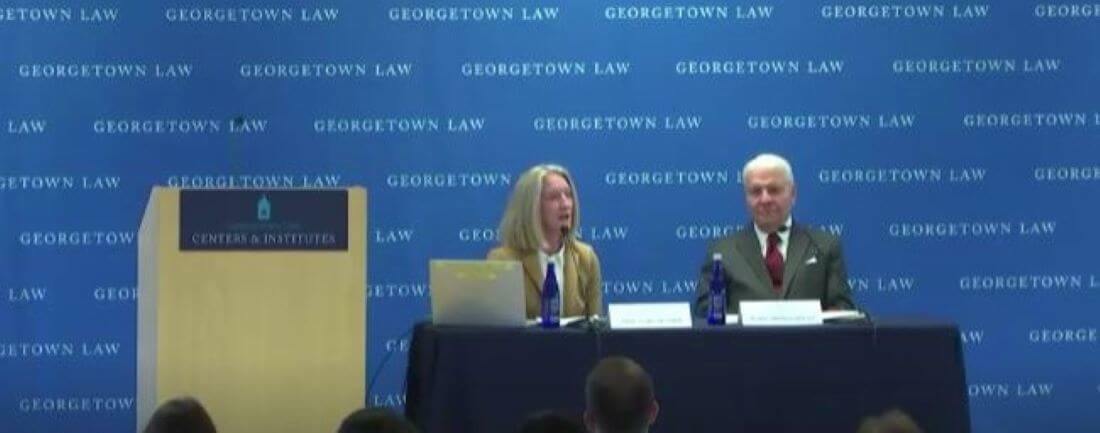
During the conversation, Judge Hogan concurred with McCord’s sentiments, particularly regarding the newfound liberty to discuss cases and judicial impacts once no longer in active service. McCord reflected on the liberation she felt upon leaving the government, a sentiment that resonated with Hogan, who expressed a keen interest in dissecting the January 6 cases and their broader implications on the judiciary.
However, the dialogue took a contentious turn when Hogan echoed a misleading assertion regarding the casualties of the Capitol protests, a statement that contradicts established facts regarding the tragic events of that day. This misrepresentation, alongside Hogan’s acknowledgment of the inherent difficulties in maintaining judicial impartiality in the wake of emotionally charged footage and testimonies, adds layers of complexity to the discourse on justice and fairness in politically sensitive cases.

The discrepancy in sentencing between January 6 defendants and participants of other mass protests has been a point of contention, highlighting what some perceive as an imbalance in the scales of justice. Critics, including journalist Julie Kelly, argue that such disparities underscore a systemic bias within the judiciary, particularly in the treatment of cases with significant political undertones.
ALERT! Major Water Restrictions In Effect!
The discussion at Georgetown Law, though illuminating, underscores a troubling narrative of partiality and challenges in the pursuit of unbiased justice. As the judiciary continues to navigate the aftermath of January 6, the dialogue between Hogan and McCord serves as a poignant reminder of the complex interplay between law, politics, and the quest for impartiality in an era of unprecedented division.

