
The timing is particularly noteworthy given the political importance of gasoline prices. For millions of Americans, fuel costs are not simply another economic statistic. They directly affect household budgets, commuting expenses, transportation costs, and the prices of goods delivered across the country.
A sharp decline at the pump can therefore provide meaningful financial relief, especially after years of inflation and elevated living expenses.
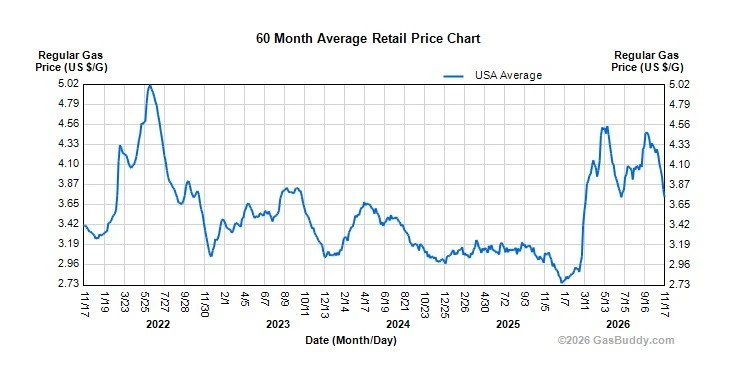
Earlier Tuesday, another social media account had drawn attention to the same development, sharing a report from Traders Union about the recent movement in retail gasoline prices.

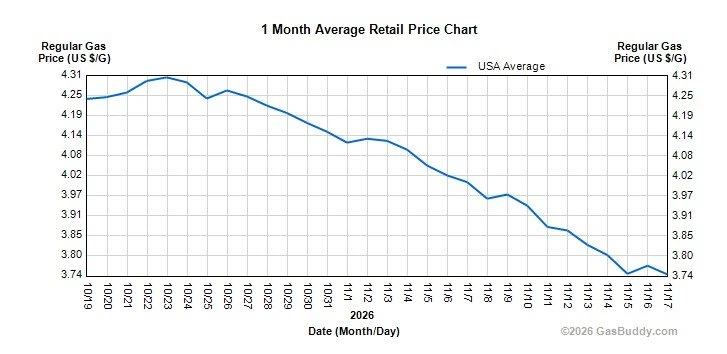
The post stated:
“Last week saw the biggest drop in retail gas prices at the pump in 18 years! The blockade is working. Where is the media???Credit President Trump!!! @realDonaldTrump”
The reference to the blockade points to the administration’s broader economic and geopolitical strategy, which supporters argue has contributed to improving conditions in the energy market.
However, the reported decline deserves attention beyond the political debate. A sustained reduction in gasoline prices would represent an important development for American consumers, particularly those who have struggled with the cost of living.
The administration’s supporters have also pointed to a longer-term pattern, arguing that gasoline prices had already begun moving downward in September. They contend that the national media devoted considerably less attention to those developments than they would have if prices were moving in the opposite direction.
That criticism raises a familiar question about economic coverage: Does the media apply the same level of scrutiny when financial indicators improve as it does when they deteriorate?
Gasoline prices have long been a politically sensitive subject, particularly because consumers encounter them so frequently. Unlike certain economic indicators that require explanation, the price displayed at a gas station is immediately visible to nearly every driver.
That makes fuel costs an especially powerful political talking point.
During Joe Biden’s presidency, Americans experienced periods of considerably higher gasoline prices, creating widespread frustration among motorists. Republicans repeatedly highlighted those increases as evidence that the administration’s energy policies were hurting working families.
Now, Trump’s allies are pointing to the latest decline as evidence that the energy situation is moving in a more favorable direction under his leadership.
The contrast has become an important part of the political argument surrounding the economy. Supporters of Trump say the media was quick to highlight painful increases during the Biden years but has been considerably less enthusiastic about reporting favorable movements under the current administration.
There is another figure attracting attention: gasoline prices reportedly fell by 57 cents over the past month.
If sustained, a reduction of that magnitude could make a noticeable difference for households that depend on their vehicles for work, school, and everyday responsibilities.
For families filling up multiple vehicles each week, even relatively modest savings can accumulate quickly. Businesses that rely on transportation could also benefit from lower operating expenses, potentially easing some of the pressure on consumers.
Still, gasoline prices are influenced by several factors, including crude oil costs, refining capacity, seasonal demand, distribution expenses, and regional market conditions. Establishing precisely how much credit belongs to any particular administration or policy requires examining those factors rather than relying exclusively on political statements.
Nevertheless, the reported decline provides an opportunity for the administration to make its economic case to voters.
Trump’s decision to emphasize the timing of the announcement also suggests that he believes favorable economic developments have not received the recognition they deserve.
His pointed reference to the election was particularly striking. By placing the word “Election” in quotation marks, the president appeared to question the political circumstances surrounding the timing of the news.
Whether the media’s coverage reflects deliberate editorial decisions or simply the competing priorities of the news cycle, the broader issue remains: Americans deserve accurate and consistent reporting about the cost of living.
For consumers, the most important question is straightforward. Will the decline continue, and will the savings translate into lasting relief at the pump?
For Trump, however, the issue carries an additional political dimension. Lower gasoline prices provide his administration with an opportunity to highlight economic progress while challenging the narrative promoted by critics.
After years in which fuel costs became a major source of public frustration, any sustained improvement is likely to attract attention from both sides of the political aisle.
And if the latest figures hold, the White House will undoubtedly be eager to make sure Americans hear about it.

