
>> Continued From the Previous Page <<
Frey, however, had not.
It wasn’t until after Breitbart reached out to the mayor’s office at 10:25 a.m., questioning why a George Floyd tribute appeared before any Memorial Day acknowledgment, that the situation shifted. Roughly an hour later, at 11:38 a.m., Frey posted a brief Memorial Day message honoring service members. The post, described by critics as minimal and formulaic, consisted of a simple graphic-style tribute rather than a more substantive statement.

Just minutes later, at 11:41 a.m., Frey’s communications director Ally Peters responded to Breitbart with a short statement: “The mayor has also posted on his social accounts for Memorial Day. Thanks.”
The response offered no further explanation. It did not address the sequence of posts, the absence of an earlier tribute, or why the Memorial Day message only appeared after media scrutiny. For critics, the lack of context only intensified the controversy.
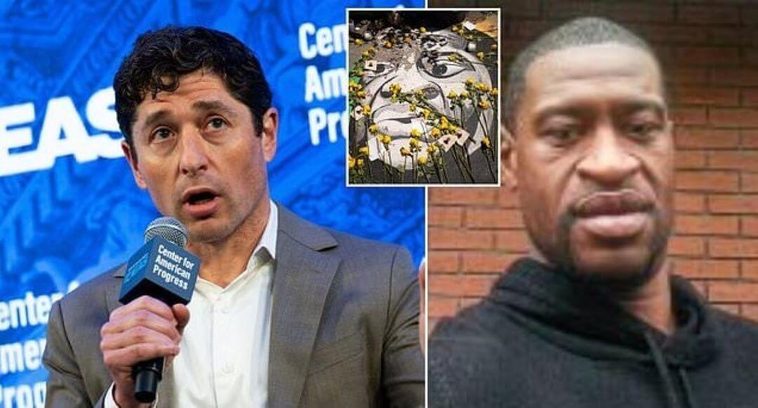
What stood out most to observers was the contrast in tone and volume between the two themes dominating Frey’s timeline that morning. While five posts were dedicated to George Floyd and related initiatives, only a single, understated message was eventually issued for Memorial Day itself. The disparity became the focal point of criticism from commentators and political opponents who argued that the prioritization reflected misplaced emphasis on symbolism over national remembrance.
Florida Congressman Randy Fine was among those who reacted strongly, saying: “Newsflash: Today is Memorial Day, not George Floyd Day. Show our fallen heroes and their families some freaking respect.”
Other commentators drew broader connections to the aftermath of Floyd’s 2020 death, noting the widespread unrest that followed across multiple American cities. In Minneapolis alone, parts of the city suffered severe damage during riots and unrest, with early estimates of destruction beginning at roughly $55 million and expected to rise significantly. Critics argue that the long-term political and cultural focus on that period continues to overshadow other civic and national concerns.
Andy Ngo and other commentators further pointed to the broader national impact of the 2020 unrest, suggesting that the political legacy of that moment continues to shape public messaging and priorities in progressive-led cities like Minneapolis.
Supporters of Frey, however, are likely to argue the timing was coincidental, noting that George Floyd died on May 25, the same date as Memorial Day in 2026. But critics say that explanation misses the core issue entirely. The concern is not about coincidence of dates—it is about prioritization.
As one observer put it, the question is not whether Floyd should be acknowledged at all, but why a mayor would lead Memorial Day communications with five posts centered on Floyd before offering even a single tribute to American service members.
By late morning, the controversy had already spread across political media circles, becoming another flashpoint in the ongoing national debate over public memory, civic symbolism, and political messaging.
Frey, who recently secured a third term as mayor of Minneapolis, now finds himself again at the center of that debate. To critics, his actions are not an isolated misstep but part of a consistent pattern stretching back years—one they argue reflects a broader political calculation about what his base expects and what they are willing to overlook.
In that framing, the issue is not confusion or oversight. It is intention.
And for opponents, that is what makes the Memorial Day episode so striking: not just what was posted, but what was prioritized first.

