
>> Continued From the Previous Page <<
Jim Farley, Ford’s CEO, was blunt in his assessment during a recent statement, citing the Model e division as the company’s primary financial burden. This division was established with high hopes as Ford’s hub for electric innovation and market growth.
Ford is not without strategies to counteract these setbacks. In an earnings call on April 24, as noted by Bloomberg, CFO John Lawler explained, “We’ve seen prices coming down quite dramatically and that’s why we haven’t been able to keep up from a cost reduction standpoint. But we’re targeting to take out as much cost this year as we can on Model e and all in the spirit of driving toward that contribution margin positive.”

Looking to the future, Ford aims to pivot towards producing smaller, more cost-effective electric vehicles. The company is accelerating plans to introduce new models by 2026, with starting prices rumored to be around $25,000. Farley is optimistic about these developments, suggesting these vehicles could become profitable within their first year on the market.
However, the present challenges Ford faces serve as a stark warning about the perils of prematurely pushing into new markets. The company’s ambitious split into two divisions—Model e for EVs and Ford Blue for traditional internal combustion engines—was initially seen as a visionary move. Farley, during a press release on March 2, 2022, had claimed, “Ford Model e will be Ford’s center of innovation and growth, a team of the world’s best software, electrical and automotive talent turned loose to create truly incredible electric vehicles and digital experiences for new generations of Ford customers.”
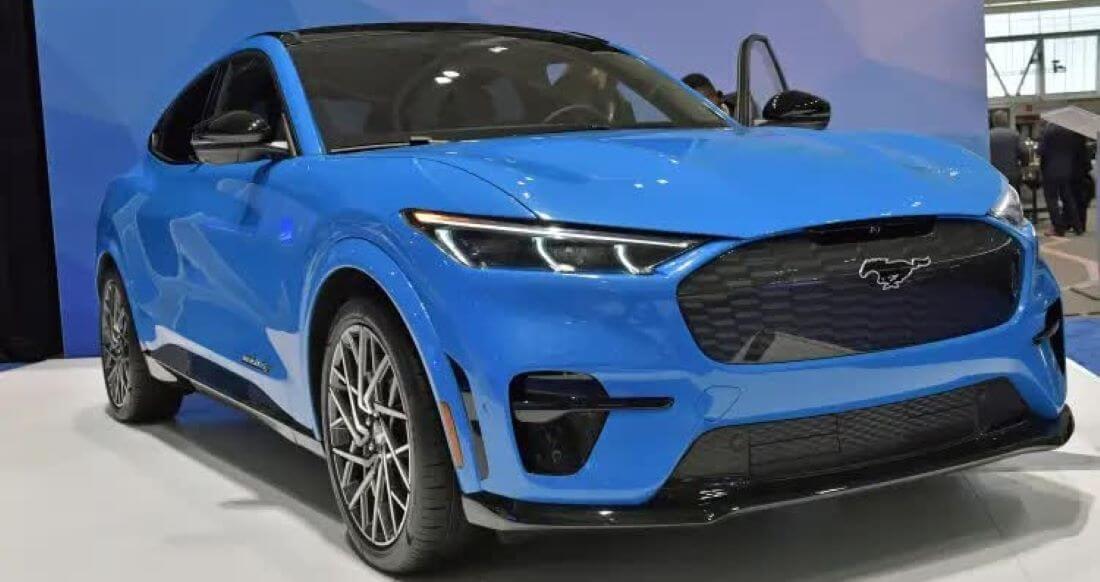
Despite these aspirations, the demand for electric vehicles has not risen as expected, leading to a reevaluation of the viability of transitioning from gasoline-powered vehicles to electric ones. This recalibration is further complicated by the high initial costs of EVs like the Mustang Mach-E and the electric F-150 Lightning, which start at significantly higher prices than their gasoline counterparts.
ALERT! Major Water Restrictions In Effect!
Additionally, the practical limitations of EV technology, such as battery weight and associated mechanical challenges, have not helped Ford’s case. With the existing infrastructure still favoring gasoline vehicles, the shift to electric appears premature.
This recent turn of events underscores a vital lesson for businesses: while environmental considerations are important, they must be balanced with sound business principles. Ford’s current predicament is a testament to the risks of prioritizing political or ideological goals over foundational business strategies.
As Ford rethinks its approach to electric vehicles, it stands at a crossroads—needing to blend innovation with pragmatism to regain its footing in the competitive automotive market. The future of Ford’s EV production remains uncertain, but one thing is clear: the company will need to navigate these challenging waters with caution and strategic foresight.

