
>> Continued From the Previous Page <<
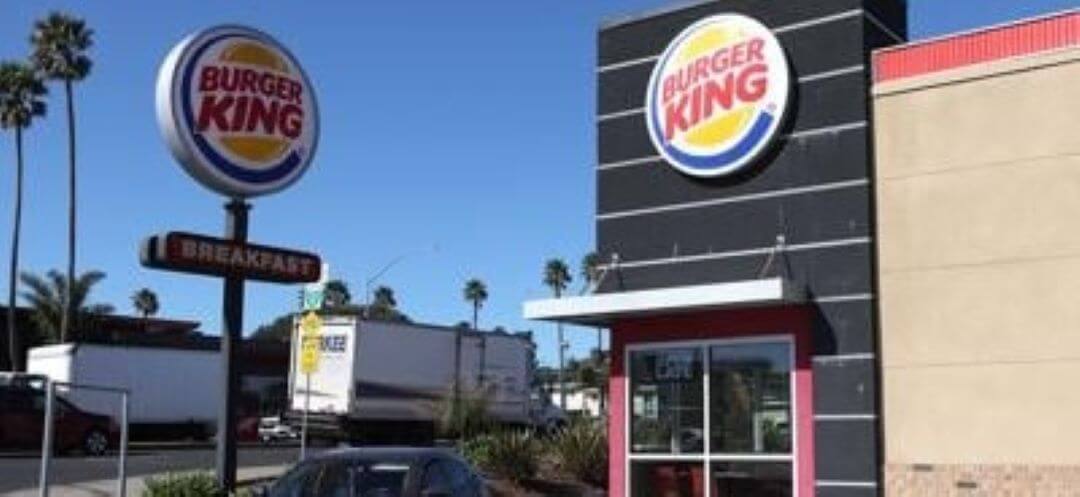
Prior to this wage adjustment, the state-mandated minimum wage stood at $16 per hour. The New York Post highlights the immediate response from several major chains, which have adjusted their menu prices to mitigate the financial implications of the wage hike. Notably, Burger King’s Texas Double Whopper meal experienced a price jump from $15.09 to $16.89 in just a few days. Similarly, the price of the Big Fish Meal surged from $7.49 to $11.49, with incremental price increases observed across other menu items.
In-N-Out Burger also adjusted its pricing, marking up burgers by 25 cents and sodas by five cents. Kevin Hart’s Hart House followed suit, raising the cost of milkshakes by a dollar across all sizes, sandwiches by 50 cents, and large fries from $4.49 to $5.59. While price adjustments have been noted at these chains, others such as Chick-fil-A, McDonald’s, and Wendy’s have yet to announce changes, though it is speculated that they too will eventually need to revisit their pricing structures.

At a press briefing, California Governor Gavin Newsom underscored the significance of the wage increase, stating, “This is a big deal. … Eighty percent of the workforce are people of color, two-thirds are women, the majority are breadwinners. And we have the opportunity to reward that contribution. Reward that sacrifice”. This comment illuminates the intended positive impact of the legislation on a demographic that forms the backbone of the fast-food industry’s workforce.
ALERT! Major Water Restrictions In Effect!
However, the article posits that the repercussions of such a wage increase extend beyond the surface benefits. It raises critical questions about the potential for reduced employment as businesses grapple with higher operational costs. The logic is straightforward: a higher wage bill could prompt employers to streamline their workforce, leading to layoffs. Remaining employees might face increased workloads, absorbing the duties of their erstwhile colleagues.
This scenario not only affects the employees but also the consumers, who are already witnessing price hikes. The article suggests a domino effect where wage increases lead to higher prices, potential job losses, and an overall economic shift that may not have been fully anticipated by policymakers. It concludes with a critique of Governor Newsom’s understanding of the complex interplay between wage policy and economic outcomes, suggesting that Californians are set to experience firsthand the multifaceted consequences of this legislative change.

