
>> Continued From the Previous Page <<
The EEOC’s litigation claims that Sheetz has implemented a broad policy of denying employment to individuals with criminal records, a practice that has persisted across its network of over 600 stores in six states. The lawsuit asserts that this policy has a discriminatory impact on specific racial groups and violates Title VII of the Civil Rights Act, which forbids employment discrimination based on race.
“Federal law mandates that employment practices causing a disparate impact because of race or other protected classifications must be shown by the employer to be necessary to ensure the safe and efficient performance of the particular jobs at issue,” explained EEOC Regional Attorney Debra M. Lawrence. She added, “Even when such necessity is proven, the practice remains unlawful if there is an alternative practice available that is comparably effective in achieving the employer’s goals but causes less discriminatory effect.”

This legal action underscores the significance of April’s designation as Second Chance Month, a period focused on reintegrating individuals with past criminal convictions into society through fair employment opportunities. “This highlights the significance of the observance of April as Second Chance Month, underscoring our nation’s commitment to reintegrating individuals with criminal records into society by ensuring they have fair access to employment and other essential services,” stated EEOC Philadelphia District Office Director Jamie R. Williamson.
ALERT! Major Water Restrictions In Effect!
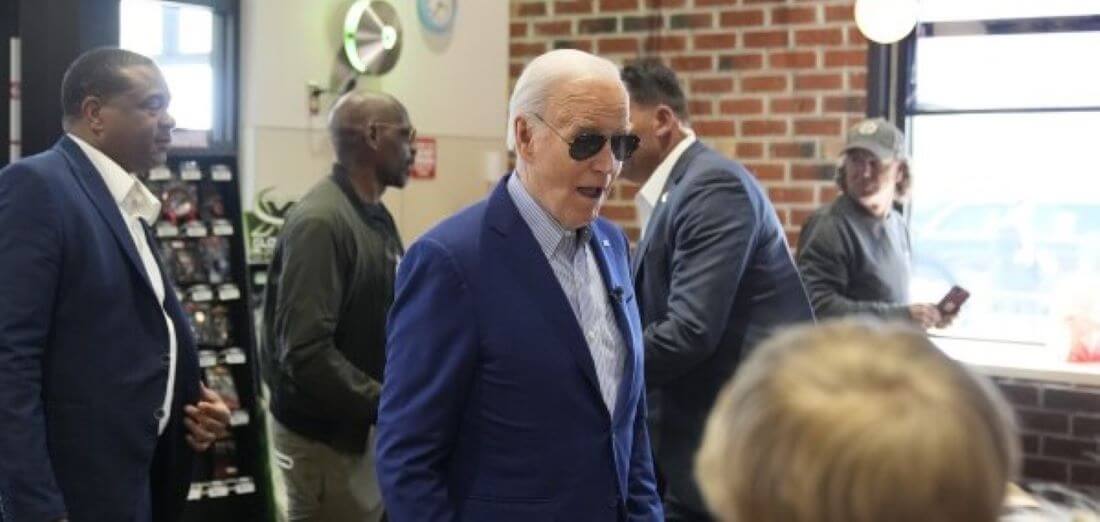
The timing of the lawsuit, following closely on the heels of Biden’s visit to Sheetz, has sparked discussions about the motivations behind the legal action and its potential political ramifications. Critics may view this as an opportunistic move by the administration, particularly given the stark difference in public reception between Biden and Trump during similar community interactions.
As the legal proceedings unfold, the case against Sheetz will likely become a focal point in the ongoing national conversation about race, criminal justice reform, and employment equity. This lawsuit not only challenges the practices of a major employer but also tests the federal government’s capacity to enforce civil rights protections in the workplace. The outcome may have far-reaching consequences for how companies across the nation screen potential employees and address racial disparities within their workforce.

