
>> Continued From the Previous Page <<
NBC’s coverage became the next flashpoint. Despite Gu skiing under China’s red flag, the network treated her like a Team USA darling. The broadcast lingered on her custom dragon outfit, fashion credentials, and celebrity aura, while barely acknowledging the country she chose to represent.
Viewers noticed immediately.

“I’ve never seen NBC cover a Chinese athlete more. If she doesn’t want to represent the Stars and Stripes than don’t cover her. Period. We don’t care if she’s pretty and actually American. She’s not on our team,” one furious fan wrote.
That comment summed up the mood. Americans were not watching an underdog story. They were watching an athlete they helped build compete for a rival nation, while their own media cheered her on.
Gu’s backstory makes the frustration sharper. She grew up in San Francisco, learned to ski at Lake Tahoe, and benefited from American coaching, facilities, and development programs. She competed for Team USA in World Cup events as a teenager. Every advantage that made her elite came from the United States.

Then came the switch.
In 2019, Gu announced she would represent China, citing heritage and personal identity. Almost instantly, the endorsement deals followed. Tech retailer JD.com, dairy giant China Mengniu, and sportswear brand Anta rushed to sign her. The money poured in.
Forbes later ranked her as the second highest earning female athlete in the world in 2023.
Despite that timeline, Gu has insisted money played no role in her decision.
“I’m glad that there’s enough money in the sport now for people to think that’s a consideration,” she told TIME Magazine.
That statement raised eyebrows then. After this Olympic stumble, it raised laughter.
The Gu situation fits a larger trend that has plagued international sports. Countries with deep pockets have increasingly treated elite athletes like free agents, offering passports and sponsorships in exchange for medals. Jamaica lost multiple track stars to Turkey under similar arrangements. Qatar became notorious for buying African runners outright.
The practice became so blatant that World Athletics suspended nationality switches in 2017, with officials warning it was “bordering on trafficking.”
China does not recognize dual citizenship, a detail Gu has consistently avoided addressing directly. Whether she surrendered her U.S. passport or is navigating legal gray areas, the silence only fuels skepticism.
To many Americans, the issue is not talent or heritage. It is loyalty.
Gu used American infrastructure to reach the top of her sport. Then she delivered those skills to Communist China in exchange for global endorsements. That is not cultural pride. It is transactional ambition.
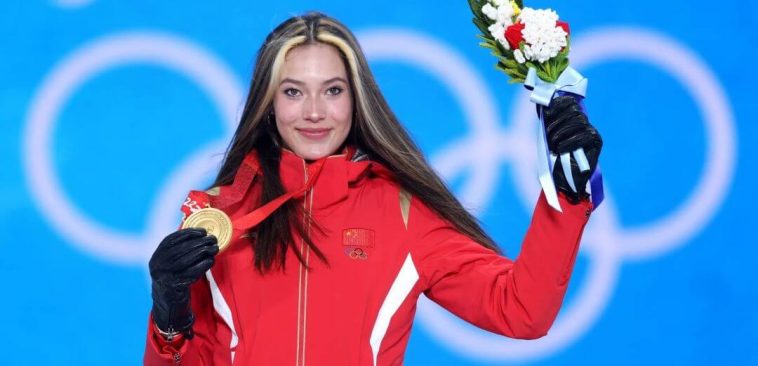
So when she fell on that final run, the reaction was swift and unforgiving. The silver medal around her neck became a symbol, not of failure, but of choice.
Money can buy sponsorships, magazine covers, and glowing commentary. It cannot buy respect from the country that made you.
And for many Americans watching, that distinction mattered far more than any medal count.

