
>> Continued From the Previous Page <<
Under the interpretation raising alarms, these vehicles would only be permitted on the road during weekends—specifically Saturdays and Sundays—between sunrise and sunset. That would effectively eliminate weekday driving for owners, even for routine activities such as short test drives, maintenance runs, or casual evening cruising.
Supporters of the bill, however, say the intent is to prevent abuse of collector registration categories. The concern is that some drivers may be using low-cost collector plate registrations as a way to avoid standard registration fees while still using older vehicles as daily transportation. In Minnesota, collector plates can cost as little as $25, a fraction of standard registration costs.

Still, critics argue that even if there are isolated cases of misuse, the proposed restrictions go too far. Minnesota law already limits collector-plated vehicles to non-daily-use purposes. Enthusiasts point out that current rules already prevent abuse while still allowing reasonable recreational driving, such as weekend outings, car shows, and occasional evening drives.
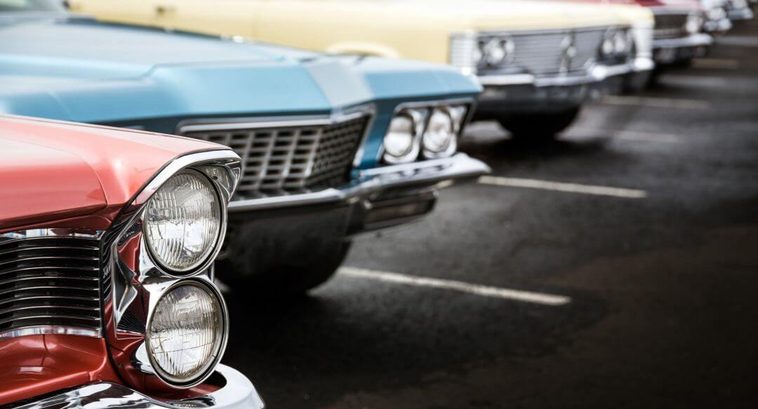
The new proposal, they argue, would mark a significant shift. Rather than targeting misuse directly, it would impose blanket restrictions on all owners of qualifying vehicles. That includes iconic American classics such as Mustangs, Camaros, Challengers, and restored military Jeeps. Opponents say the effect would be to turn a hobby into a heavily regulated activity, dependent on strict time windows set by the state.
One of the most controversial aspects of HF 3865 is the inclusion of vague language around permitted “exhibition” or “similar use” exceptions. Those terms are not clearly defined in the bill, leaving enforcement up to interpretation by individual officers. Critics warn that such ambiguity could lead to inconsistent enforcement and confusion among drivers about what is legally allowed on any given day.
In practical terms, opponents argue this means a driver could be questioned or cited depending on whether a law enforcement officer personally believes a trip qualifies as a collector-related activity. That uncertainty, they say, creates a chilling effect on ownership and use of classic vehicles.
Political observers note that this debate is unfolding in a broader national context where several states have considered tighter emissions rules and transportation regulations affecting older vehicles. In California, for example, classic car enthusiasts have long raised concerns about evolving smog requirements and registration challenges, prompting ongoing legislative pushback and advocacy efforts from automotive hobby groups.
Minnesota’s proposal, critics say, reflects a similar trend but applies it in a different form—limiting usage rather than focusing solely on emissions compliance. Supporters of classic car communities argue that incremental restrictions like these gradually erode car culture by making ownership less practical and more burdensome over time.
Adding to the political tension, critics have pointed out that Governor Walz himself is known to own a vintage 1979 International Harvester Scout. Opponents of the bill have used that detail to question whether such restrictions would ever be applied consistently or whether exemptions could emerge depending on political or personal circumstances. The governor has not publicly indicated whether he supports or opposes HF 3865.
As the bill moves through committee review, classic car organizations and hobbyist groups are mobilizing. The Antique Automobile Club of America has already urged members to contact lawmakers and express opposition, arguing that the legislation threatens long-standing traditions of automotive preservation and recreational driving.
For many enthusiasts, the concern is not just about one bill, but about precedent. They argue that once driving windows, usage categories, and enforcement discretion become tools of regulation, it becomes easier for future laws to further restrict classic car ownership.
In their view, a vehicle like a 1968 Pontiac GTO is more than transportation—it is a piece of preserved American history. And the central question raised by HF 3865 is whether that history will remain freely driven or increasingly confined to state-defined time slots and conditions.

