
>> Continued From the Previous Page <<
The H5N1 virus, first detected in dairy cows earlier this year, has now spread to over 135 herds across 12 states. To date, three human cases have been reported, all of which were mild. Despite these incidents, federal health officials maintain that the risk to the general population remains low. Nevertheless, the government’s investment in Moderna’s research underscores the importance of being prepared for potential outbreaks.
BARDA’s involvement is crucial, as it has a track record of supporting the development of essential medical countermeasures. The program’s funding will enable Moderna to expedite the process of creating a vaccine that can be quickly scaled up if the need arises. This proactive approach is a testament to the lessons learned from the COVID-19 pandemic, where rapid vaccine development played a pivotal role in managing the crisis.

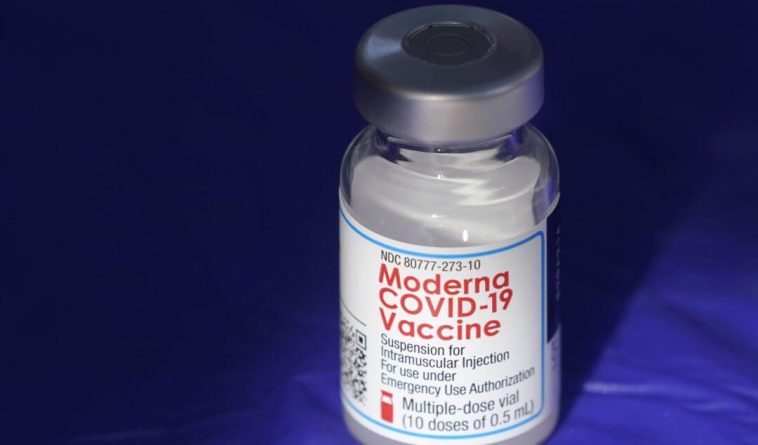
Moderna’s success with mRNA technology during the COVID-19 pandemic positions it as a key player in addressing future public health threats. The company’s ability to develop a vaccine swiftly and effectively has set a new standard for the industry, and this latest endeavor aims to build on that success. By using the same mRNA platform, Moderna aims to create a bird flu vaccine that can be deployed rapidly should an outbreak occur.
The spread of bird flu among dairy cows is a concerning development, with potential implications for both animal and human health. The virus’s ability to jump species and infect humans, albeit mildly so far, highlights the need for vigilance and preparedness. The government’s investment in Moderna is a strategic move to ensure that the country is equipped to handle any escalation in the situation.
Brutal “Pocket Weapon” Stops Hearts (discounted for next 78)
The World Health Organization (WHO) has also issued warnings about new strains of bird flu, emphasizing the global nature of the threat. As the international community grapples with these developments, the U.S. government’s proactive funding of vaccine research sends a strong message about the importance of preparedness and innovation in public health.
In summary, the U.S. government’s $176 million investment in Moderna for the development of an mRNA bird flu vaccine represents a significant step towards pandemic preparedness. With the H5N1 virus already affecting dairy herds and posing a potential threat to humans, this funding will enable Moderna to advance crucial vaccine trials. Federal health officials, while noting the current low risk to the wider population, are taking no chances in ensuring that the country is ready to respond swiftly and effectively to any future outbreaks. This initiative reflects a broader commitment to leveraging cutting-edge technology to safeguard public health in an increasingly interconnected world.

