
>> Continued From the Previous Page <<
Previte then escalated the issue to the Office of Open Records (OOR). In a partial victory for Previte, the OOR sided with her regarding the mail-in and absentee ballots, while upholding the Board’s denial for polling place ballots. The legal journey took another turn when the Erie County Board of Elections challenged the decision, bringing the matter to the Court of Common Pleas. The Court of Common Pleas ruled in favor of the Board, maintaining that these digital ballot images were not public records.
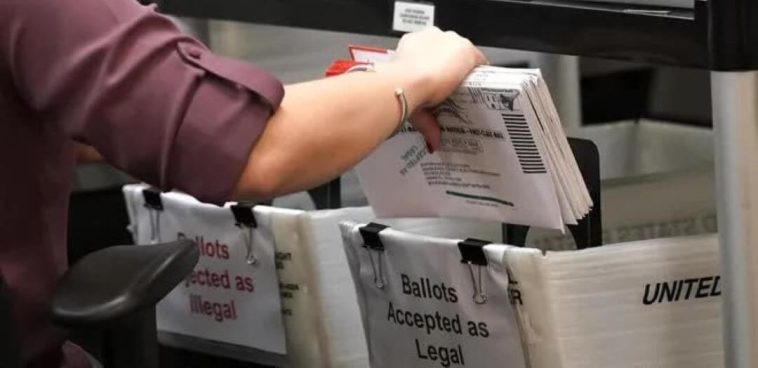
In a pivotal decision on Wednesday, the Commonwealth Court overturned the previous ruling, declaring that digital images of absentee and mail-in ballots are indeed public records. The court’s interpretation aligned with the principles of the RTKL, which mandates public access to government records unless explicitly exempted by law.

Judge Ellen Ceisler, who authored the majority opinion, clarified that once absentee and mail-in ballots are removed from ballot boxes or voting machines, they should be regarded as public records. She stated, “Completed absentee and mail-in ballots, once removed from ballot boxes or voting machines, are to be treated as public records and can be obtained through an RTKL request as long as they follow the Election Code’s rules of disclosure and do not include any information that identifies (or is reasonably likely to facilitate the identification of) the individuals who cast those ballots.”
This ruling emphasizes the need for transparency while ensuring the privacy of individual voters, striking a balance between public accountability and voter confidentiality.
The decision has sparked reactions from political figures and commentators alike. Natalie Clawson, a candidate for Lieutenant Governor, hailed the ruling as a victory for election integrity, stating, “Huge win for election integrity in Pennsylvania! Utah needs to follow Pennsylvania’s example and declare that the digital images of mail-in ballots are public record.”
Clawson further emphasized the importance of auditing election processes, saying, “Two things can be true: the Elections images must be auditable to restore trust AND the individual’s vote is must be kept secret. Utah.. let’s follow Pennsylvania’s lead. There is evidence that some precincts in Salt Lake Co had 117% voter turnout in 2020 for withheld voters. This is clearly a problem. The public and a third party needs to be able to audit our elections.”
Investigative reporter Behizy also commented on the ruling on X (formerly Twitter), expressing appreciation for the court’s thorough understanding of the issue. Behizy noted, “What I love about this ruling is that it seems like the Appellate judges really took their time to understand the issue at hand. Section 308 of Pennsylvania’s election code says everything is public record “except the contents of ballot boxes and voting machines and records of assisted voters.”
Carry 46 rounds concealed? (comfortably)
He criticized the lower court’s logic, saying, “The lower court used some twisted logic to say the ballot images were somehow ‘contents of voting machines and, thus, were shielded from RTKL requests.’ Yes, images of the ballots are taken by the machine but they’re not part of the machine. The pictures you take with your phone aren’t part of your phone, that’s nonsensical to think but these are the lengths some judges and election officials are willing to go to conceal the truth.”
This decision by the Commonwealth Court marks a significant advancement in the movement toward transparency in elections. By recognizing digital ballot images as public records, Pennsylvania is setting a precedent that may influence other states to reevaluate their stance on election transparency.
The ruling reinforces the public’s right to access electoral information, ensuring that elections are conducted fairly and transparently. As the nation continues to grapple with questions of election integrity, this decision underscores the importance of accountability and openness in the democratic process.

