
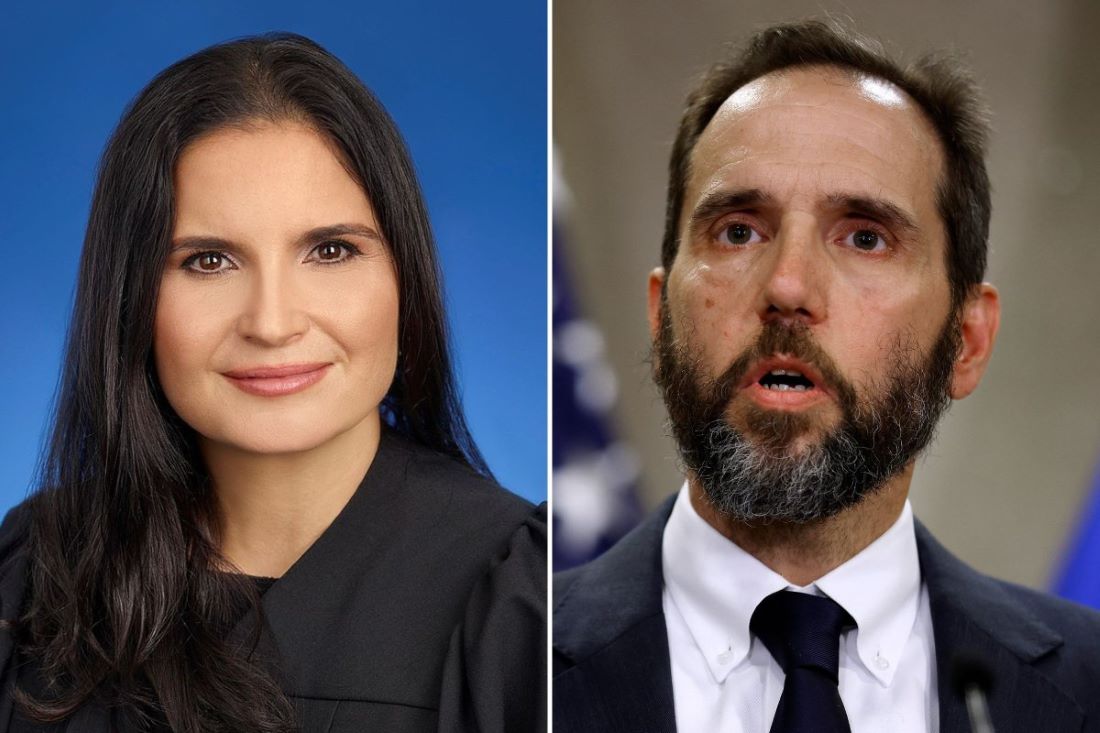
In an unprecedented move, Special Counsel Jack Smith voiced his readiness to escalate the jury instruction dispute to the appellate court, signaling the contentious nature of Cannon’s order. Further complicating matters, Cannon dismissed Smith’s requests for an early finalization of jury instructions as “unprecedented and unjust.” She clarified, “The Court’s Order soliciting preliminary draft instructions on certain counts should not be misconstrued as declaring a final definition on any essential element or asserted defense in this case. Nor should it be interpreted as anything other than what it was: a genuine attempt, in the questions to be submitted to the jury in this complex case of first impression.”
Amidst this legal whirlwind, a previous motion by Trump to dismiss the case based on the alleged vagueness of the Espionage Act was also denied by Judge Cannon last month. A pending third motion, revolving around claims of selective prosecution, hangs in the balance, further intensifying the legal drama that continues to unfold.
ALERT! Major Water Restrictions In Effect!

This ongoing saga not only underscores the legal challenges facing Trump but also highlights the intricate interplay between the Presidential Records Act, the Espionage Act, and the broader legal framework governing the handling of classified information. As the case progresses, the decisions made by Judge Cannon and the subsequent reactions from legal experts and analysts will undoubtedly shape the trajectory of this high-profile case.

