
>> Continued From the Previous Page <<
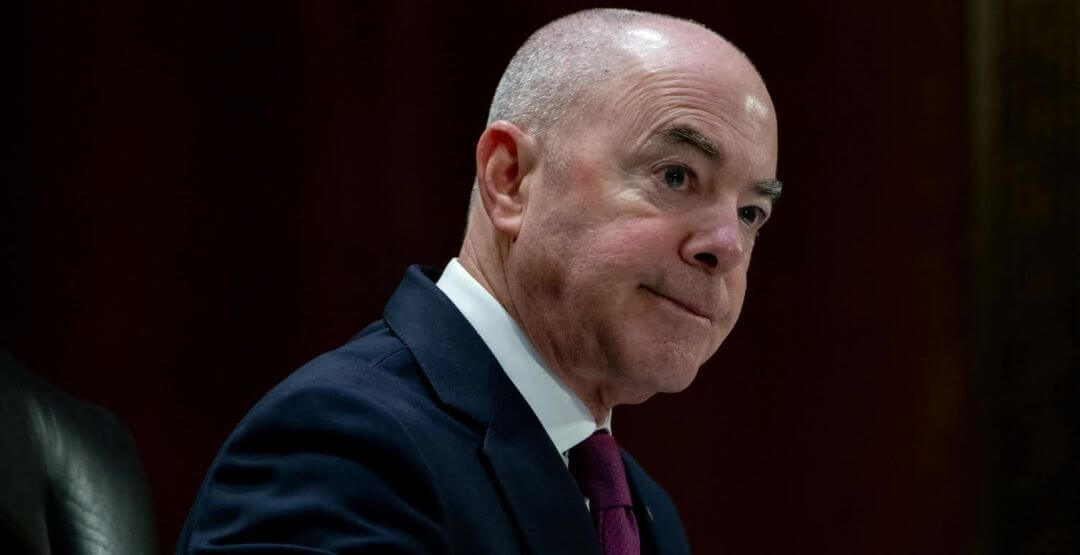
This rapid dismissal has stirred significant controversy and has been viewed by some as a glaring breach of congressional duty. Townhall.com’s Spencer Brown highlighted the historical significance of this decision, noting that it disrupts a longstanding tradition. Historically, the Senate has upheld its constitutional responsibility to conduct a trial in all but one impeachment case, where the individual resigned before proceedings could commence.
In response to this decision, 43 Republican senators penned a stern letter to Schumer last week. They asserted the Senate’s “constitutional duty” to conduct an impeachment trial, emphasizing that “In every previous congressional impeachment of the past 227 years, Congress has been faithful to the process set out by the framers,” as reported by Townhall.com. The letter decried the dismissal, underscoring the unprecedented nature of the Senate’s action in abandoning its duty when “the basis for impeachment was tenuous at best.”

The Senate Republicans’ letter further detailed, “Since 1797, twenty-one individuals have been impeached by the House of Representatives. Trials were held in every single instance, except once when an impeached judge resigned from office before the trial commenced. Absent Secretary Mayorkas’ immediate resignation, this impeachment should remain faithful to Senatorial precedent.”
ALERT! Major Water Restrictions In Effect!
This pivotal moment in congressional history represents not only a significant political maneuver but also a potential turning point in the way impeachment is viewed and handled in the U.S. government. Critics argue that this decision could set a concerning precedent for future impeachment proceedings, possibly eroding the established legal and procedural foundations that have governed such serious actions for over two centuries. The outcome of this trial, or rather the lack of one, will likely echo in the chambers of Congress for years to come, as lawmakers and citizens alike ponder the ramifications of this historic decision.

