
>> Continued From the Previous Page <<
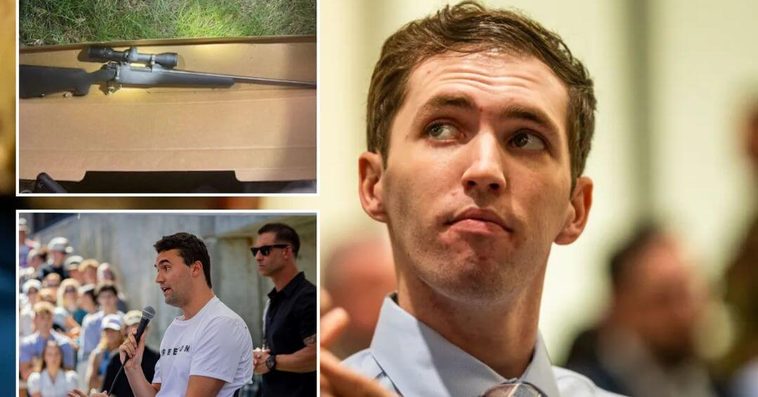
In a motion filed with the court, Robinson’s legal team stated that the ATF “was unable to identify the bullet recovered at autopsy to the rifle allegedly tied to Mr Robinson.” The defense has indicated it may call the agency’s firearm analyst to testify, suggesting the findings could serve as exculpatory evidence.
Robinson, 22, is currently facing capital murder charges and could be sentenced to death if convicted. But his attorneys are pushing back aggressively, asking the court to delay the preliminary hearing—currently set for May 18—by at least six months. They argue that the case is far from trial-ready, citing an overwhelming volume of evidence and unresolved forensic questions.

According to reporting from Fox News, prosecutors intend to call several individuals close to Robinson to testify, including his parents and his roommate and romantic partner, Lance Twiggs. The defense is preparing for a lengthy legal battle, signaling that this case could become even more complex in the months ahead.
One major hurdle cited by the defense is the sheer scale of evidence. Attorneys claim they have received more than 600,000 files from prosecutors, a mountain of material that requires extensive review.
“Discovery in this case is incomplete, voluminous, and the processing of it is complex,” the defense team wrote in their filing.
Adding to the complications, forensic reports from both the Federal Bureau of Investigation and ATF indicate that multiple DNA profiles were found on certain pieces of evidence. This revelation could introduce additional uncertainty about who handled critical items connected to the crime.
A forensic biologist working with the defense has reportedly stated she will need at least six months to thoroughly analyze the material, reinforcing the argument for a delay.
Despite these mounting questions, prosecutors previously pointed to an alleged text message exchange between Robinson and Twiggs as a key piece of evidence. The messages, first reported by the BBC, appear to show Robinson confessing to the shooting and discussing details of the incident.
The exchange includes a chilling sequence in which Robinson allegedly admits responsibility:
“Robinson: I am, I’m sorry”
The messages also describe efforts to retrieve the rifle, concerns about leaving evidence behind, and references to planning the attack. At one point, Robinson allegedly states: “I had enough of his hatred. Some hate can’t be negotiated out.”
Prosecutors have leaned heavily on these messages to build their case. However, the defense is expected to scrutinize both the authenticity and context of the exchange, especially in light of the newly disclosed forensic inconsistencies.
The case is rapidly evolving into a legal showdown that could hinge on whether physical evidence supports—or contradicts—the narrative presented by investigators. For now, the inability to conclusively match the fatal bullet to the alleged weapon is casting a long shadow over the prosecution’s claims.
As the court weighs the request for a delay, one thing is clear: what once appeared to be a straightforward case is becoming increasingly complicated, with critical questions still unanswered.

