
>> Continued From the Previous Page <<
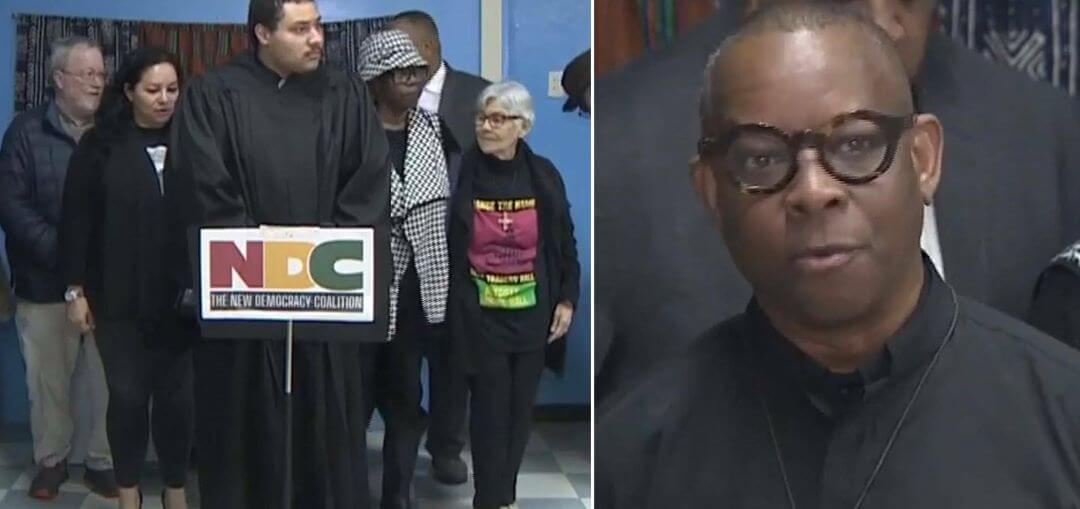
The demand for reparations has sparked intense reactions from both supporters and critics. Proponents argue that reparations are a necessary step towards healing the deep-seated wounds of racial injustice, providing tangible restitution for centuries of systemic oppression. However, opponents view the proposal as an unfair burden on present-day congregations who may not have been directly involved in historical injustices.
Rev. Michael Thompson, pastor of a predominantly white church in downtown Boston, expressed reservations about the reparations demand. “While we recognize the need to address racial disparities, saddling churches with such a hefty financial obligation could jeopardize their ability to fulfill their mission of serving the community,” Rev. Thompson stated.

The issue of reparations has long been contentious in the United States, with ongoing debates over who should receive compensation and how it should be distributed. Critics of the Boston reparations demand argue that it lacks specificity and fails to outline a clear plan for allocating funds to those most affected by historical injustices.
Nevertheless, proponents remain steadfast in their commitment to pursuing reparations as a means of achieving racial justice and reconciliation. They point to successful reparations programs implemented in other contexts, such as Germany’s restitution payments to Holocaust survivors, as evidence of the feasibility and effectiveness of such initiatives.
In addition to financial reparations, the Coalition for Racial Justice is calling for substantive reforms within Boston’s white churches, including increased support for Black-led initiatives, anti-racism training for clergy and congregants, and greater transparency in financial practices.

ALERT! Major Water Restrictions In Effect!
As the debate over reparations continues to unfold, it has become clear that the issue extends far beyond monetary compensation. It is ultimately a question of moral responsibility, historical accountability, and the ongoing struggle for racial equality in America. Only time will tell whether Boston’s white churches will heed the call for reparations and take meaningful steps towards justice and reconciliation.

