
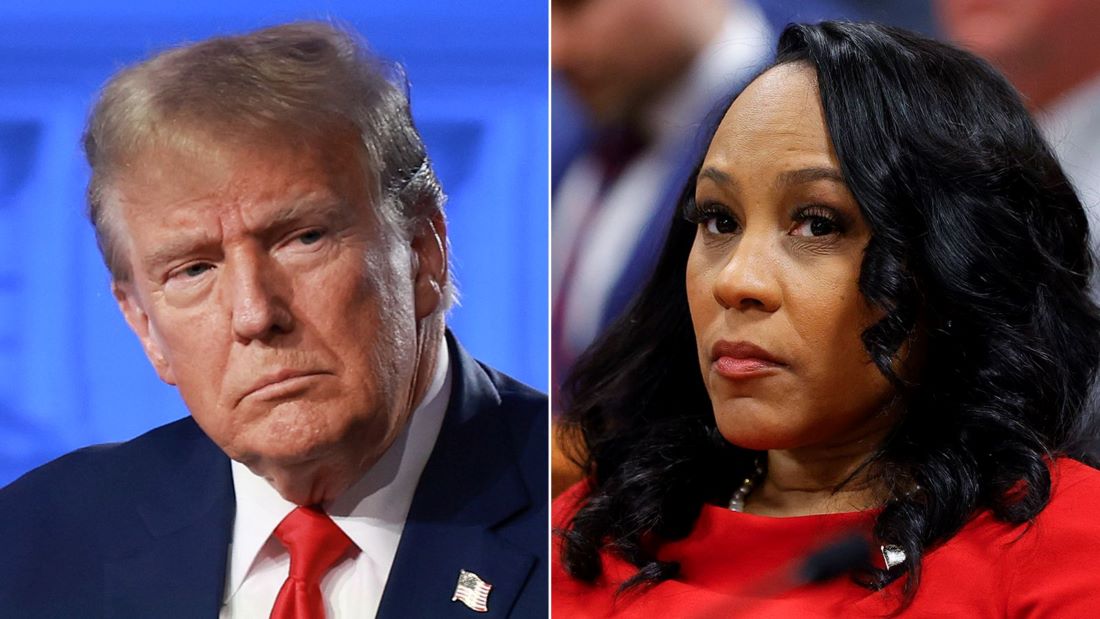
Floyd, previously involved with Black Voices for Trump and notable for being the only one of Trump’s co-defendants to have been jailed in connection with the Georgia case, has been vocal in criticizing Willis. His public declarations accuse Willis of egregious misconduct, challenging her integrity and legal conduct in handling the case.
The broader context of this legal battle involves Trump and his co-defendants’ efforts to dismiss the Georgia election interference case, citing First Amendment protections. However, Judge Scott McAfee’s recent ruling against this motion underscores the legal perspective that alleged false statements and fraudulent activities do not enjoy constitutional protection under the guise of political speech. McAfee’s decision delineates the boundary between political expression and actions that the law considers criminally culpable.
ALERT! Major Water Restrictions In Effect!

As the case progresses, Trump and his associates have pleaded not guilty to all charges in a sweeping racketeering indictment that accuses them of conspiring to overturn the 2020 election results in Georgia. Amidst this backdrop, the legal tussle between Floyd and Willis highlights the intense scrutiny and contentious legal arguments surrounding the efforts to challenge the election’s outcome. The ongoing saga not only underscores the polarized political landscape but also raises significant questions about legal ethics, the scope of prosecutorial power, and the limits of political speech in the context of election integrity.

