
>> Continued From the Previous Page <<
Moreno expressed frustration with the judge’s ruling on pronoun usage, stating it obstructs her ability to prosecute effectively. “This is a particular issue in this case because it’s confusing to the jury,” she explained. “In California, rape is a crime that has to be accomplished by a man.”
Adding to the outrage, Supervising Deputy District Attorney Eric Dutemple emphasized the emotional burden on the victims. “It’s just absolutely insane that a victim would have to get on the stand and police their pronoun usage when trying to recite one of the scariest times of their lives,” he remarked.

Carroll’s placement in a women’s prison stems from a 2021 California law allowing inmates to request housing based on their declared gender identity. Critics argue this policy, which lacks psychological evaluations or medical requirements for transitioning, prioritizes the preferences of certain inmates over the safety of others.
Moreno warned about the policy’s loopholes: “The mere statement of a transgender identity is enough to let a male switch over to a female prison under that law. There’s no psychological evaluation that needs to be done.”
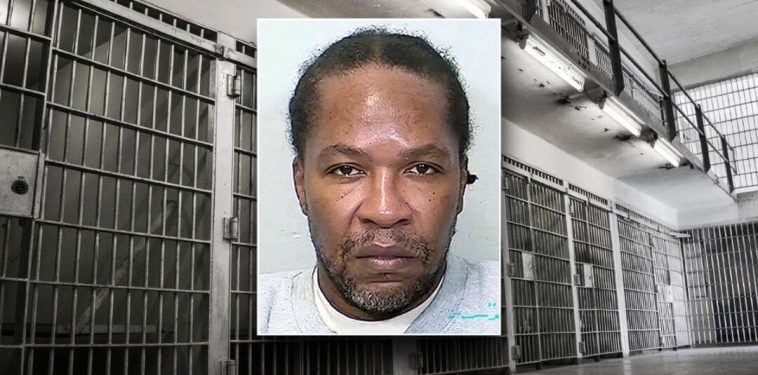
Carroll’s violent criminal past further underscores the risks of this policy. Originally convicted in 1990 for multiple counts of kidnapping, robbery, and sexual offenses, Carroll’s history raises questions about why such an individual would be placed in a women’s facility.
The case has reignited debates about the consequences of prioritizing gender identity policies over biological realities. Critics argue these policies have blurred critical legal distinctions, jeopardizing safety and accountability.
“This is the fruit of the sexual revolution resulting in utter chaos and absurdity,” Moreno stated. The placement of male-bodied individuals in female spaces has created what some call an untenable environment, where inmates are left vulnerable and justice is harder to achieve.
The California Department of Corrections and Rehabilitation defends its policy, asserting that it ensures “a safe, humane, respectful and rehabilitative environment for all incarcerated people.” However, many remain skeptical, pointing to cases like Carroll’s as evidence of systemic failure.
KICK OUT The Cold and Say Hello to The Handyheater! Warming Any Spot INSTANTLY!
“This situation reflects a rejection of clear categories like male and female,” critics argue, noting the broader societal implications. Women in these facilities must now contend with a system that demands they deny reality, even when recounting traumatic events.
As this case unfolds, it raises pressing questions about how the justice system handles the intersection of gender identity and public safety. For now, the victims in this case are left grappling with a legal system that some argue prioritizes ideology over justice, forcing them to navigate an already painful process with even greater hurdles.
The debate continues, but one thing is clear: the balance between respect for individual identity and safeguarding vulnerable populations remains a contentious and unresolved issue in modern society.

