
>> Continued From the Previous Page <<
The backlash against Trump supporters comes from an increasingly elitist political establishment in Washington, D.C., which has sought to expand government control while pushing for greater censorship. Democrats and left-leaning activists have pushed to limit freedoms, arguing that Trump and his supporters pose a “danger” to America. In recent years, they have openly called for silencing conservative voices, in what many believe to be a blatant attempt to curb political dissent.
The media’s bias has not gone unnoticed. Trump’s “fake news” slogan has become a rallying cry for many Americans who feel the mainstream media has lost its objectivity. In response, citizens have turned to online investigation, uncovering troubling ties between media outlets and the bureaucratic state. More people are questioning the authenticity of news coverage, which seems increasingly geared toward serving political ends rather than the public good.

Some Trump supporters have pointed out the real-world consequences of this rhetoric, citing an uptick in hostile acts against conservatives. With the media frequently painting Trump as a dictator-like figure, some worry about the potential for violence. When individuals believe a leader to be an “existential threat,” the risk of radicalization becomes very real, leaving open the possibility of extreme actions by those who feel compelled to act.
The media’s strategy of appealing to emotions is nothing new—historical figures like the Roman politician Cicero recognized the power of emotion-driven appeals. But today, with information instantly accessible and widely circulated, the risks of sensationalist journalism are even more pronounced. As mainstream outlets experience a sharp decline in viewership, they have resorted to greater sensationalism, pushing narratives that polarize and divide.
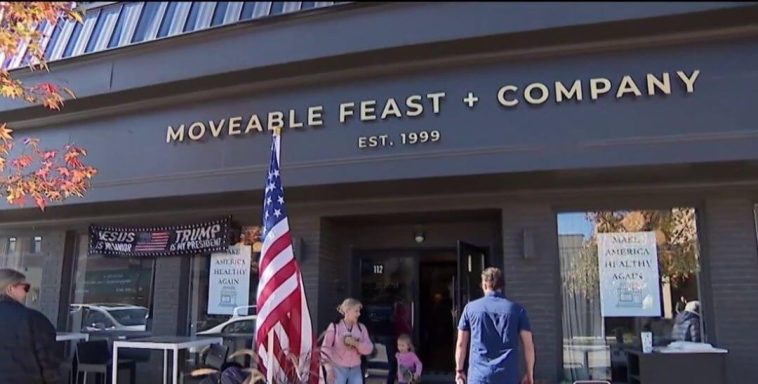
One of the most troubling consequences of this divisive coverage is its effect on everyday citizens. The media’s framing of Trump supporters as “deplorables” or “dangerous” has dehumanized those who hold conservative beliefs, leading to incidents like the one in Illinois. According to NBC Chicago, a restaurant called Moveable Feast & Company displayed Trump-supportive signs, leading to a wave of online harassment. The restaurant’s owner described his business as locally sourced and farm-to-table, but for some, the political message was enough to invite threats and attempts to harm the business.
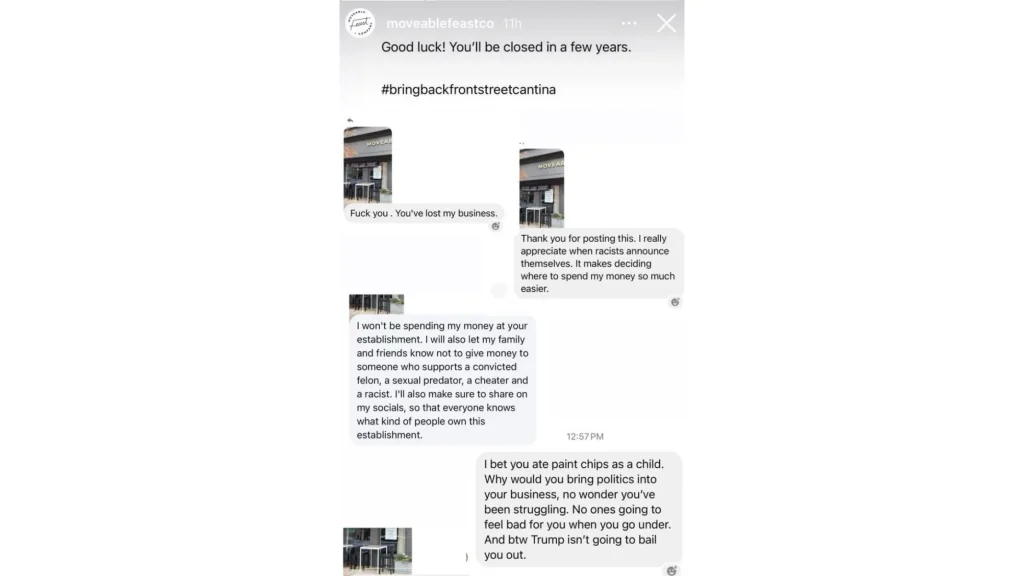
After the signs were posted, the owner faced hundreds of aggressive messages, including reports to the health department and legal threats. Shannon Adcock, of parental rights advocacy group Awake Illinois, documented the harassment on social media, highlighting the toll that such backlash has taken on this small business and its Christian owners. According to Adcock, the owner has received more than 300 hostile messages since putting up the signs.
Gold at $2,600… But This Stock Gives You More for Under $20
This ongoing intolerance from the media and left-leaning politicians threatens to deepen the divide in American society. Ahead of the election, former President Barack Obama perpetuated the widely debunked “fine people on both sides” narrative, using it to attack Trump and his supporters. This rhetoric is bound to trickle down to everyday Americans, leaving a country that is more polarized and disconnected than ever.
Ultimately, this election has served as a referendum on the Democratic Party’s policies and messaging. Whether the media and political elites in Washington, D.C. will accept this reality remains to be seen.

