
>> Continued From the Previous Page <<
Beyond the presidential race, the autopsy paints a broader picture of structural decline within the Democratic Party. It describes a pattern of stagnation dating back to 2008, pointing to an inability to build lasting voter relationships or maintain a consistent ground operation. Coordination between the DNC and outside progressive organizations is also criticized as fragmented and ineffective.
However, the report notably avoids addressing several politically sensitive topics. Among the omissions are the Biden-Harris administration’s handling of the Israel-Gaza conflict and the decision by President Biden to remain in the race until late in the election cycle—both issues that some strategists believe had significant downstream effects on voter confidence and turnout.

In a letter released alongside the report, Martin defended the effort as an exercise in transparency while also acknowledging its limitations. He noted that portions of the analysis could not be independently verified due to missing supporting documentation and incomplete data submissions from involved sources.
Despite that framing, the reaction inside the Democratic Party has been increasingly hostile. Several lawmakers have openly questioned Martin’s leadership, arguing that the DNC has failed to provide a clear roadmap forward after back-to-back electoral setbacks.
Rep. Seth Moulton (D-MA) has been among the most direct, calling for Martin to step aside amid what he described as a lack of effective leadership at the top of the party structure.
Rep. Mark Pocan (D-WI) echoed similar concerns and backed constituent calls for change, stating, “I agree. … Having what we have right now is not doing it.” Rep. Marc Veasey (D-TX) also weighed in, warning that the party appears to lack a coherent strategy to reverse its political slide ahead of future elections.
Outside Democratic voices have added to the pressure campaign. Former Obama adviser Dan Pfeiffer and Priorities USA executive director Danielle Butterfield have both suggested that Martin may not be the right figure to steer the DNC through its current challenges, pointing to lingering organizational weaknesses and messaging failures.
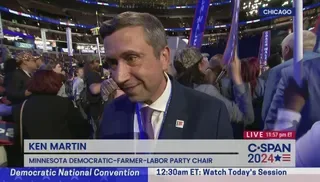
Martin’s tenure as DNC chair has also been marked by internal tension between establishment Democrats and the party’s progressive wing, a divide that continues to complicate efforts to unify messaging and fundraising strategy.
Financial strain is another growing concern. Federal Election Commission filings show the DNC significantly trailing the Republican National Committee in both cash on hand and monthly fundraising performance. As of late March 2026, the DNC reported approximately $13.8 million in reserves, compared to substantially higher figures held by the RNC, along with outstanding debt obligations that further restrict operational flexibility.
That funding gap has raised alarms about the party’s ability to invest in down-ballot races and build infrastructure ahead of the critical 2026 midterm elections, where control of Congress could once again be decided by narrow margins.
For now, Martin remains in place—but with pressure mounting from lawmakers, strategists, and donors alike, the debate over his leadership is only intensifying as Democrats continue grappling with the fallout from 2024.

