
>> Continued From the Previous Page <<
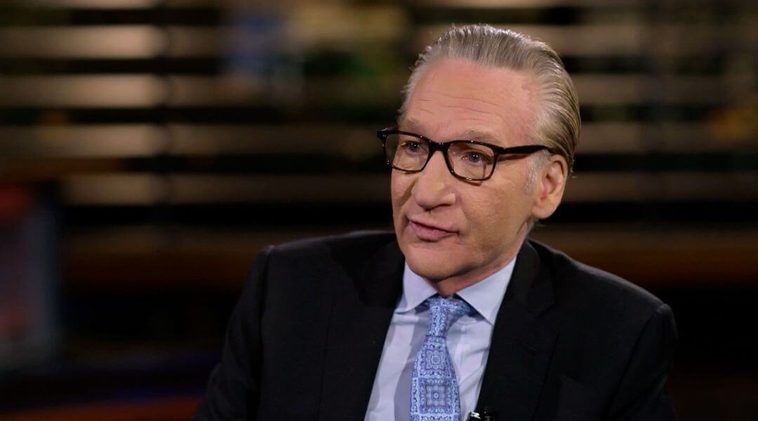
Among the examples Maher referenced in his broader commentary were several individuals who have appeared in recent criminal investigations or public controversies. These include Luigi Mangione, the accused killer of UnitedHealthcare CEO Brian Thompson; Cole Thomas Allen, a 31-year-old accused of an attempted incident involving the White House Correspondents’ Association dinner; and other figures tied to high-profile threats or near-assassination events involving political targets.
Maher grouped these names together in a satirical framing he used on-air, referring to them as part of what he jokingly described as a would-be “boy band called ‘New Kids on the Glock.’”

That line, delivered with his characteristic sarcasm, underscored his broader point: that certain corners of the internet appear to romanticize or meme-ify violent actors rather than universally condemning them.
Maher’s criticism also extended beyond individual cases and toward what he sees as a shift in public sentiment among younger Americans. He referenced polling data, including a Harvard Youth Poll finding that nearly 40% of young adults believe political violence can be justified under certain circumstances.
His reaction to that figure was blunt. As he put it: “Wow. Seems like five minutes ago when one of the big causes of the left was gun control, but now guns are the answer?”
For Maher, that contradiction highlights what he views as a deeper inconsistency in modern political rhetoric—especially when calls for resistance escalate into language that frames opponents not just as wrong, but as existential threats.
He argued that when political figures or media personalities repeatedly describe their opponents in apocalyptic terms, it can have unintended consequences among the most unstable or impressionable members of the public. In that environment, he suggested, isolated individuals may begin to see violent action as justified or even heroic.
Maher expanded on that theme by pointing to what he described as online fixation on wealth, power, and perceived elites. He connected that sentiment to broader grievances that can be amplified through social media algorithms, creating echo chambers of resentment.
“If you’re doing that much rage-thinking about Trump, you’re not really mad at him. You’re mad at your life,” Maher said, framing political anger as something that can sometimes mask personal frustration rather than ideological conviction.
He also described some individuals drawn into political extremism as deeply alienated, suggesting that certain perpetrators are not ideological masterminds but rather people searching for meaning, attention, or significance.
In one particularly sharp analogy, he said: “the guy who runs out into the field during a baseball game to get attention – except in your case, you’d rather be a martyr than a nobody.”
Beyond Maher’s remarks, the broader discussion has also touched on media and entertainment industry reactions—or perceived lack thereof—to politically motivated violence. Critics on social media have accused Hollywood and major award shows of selectively responding to tragedies depending on the political alignment of victims or perpetrators, though such claims are often debated and difficult to substantiate in a uniform way.
Still, Maher’s central argument focused less on Hollywood specifically and more on what he sees as a widening cultural gap. In his view, political discourse has become increasingly dehumanizing, with consequences that extend far beyond television panels or online arguments.
Whether one agrees with his conclusions or not, Maher’s comments reflect a growing concern among some commentators that political rhetoric in the United States has entered a more volatile and emotionally charged phase—one where the line between outrage and escalation is becoming harder to define.

