
>> Continued From the Previous Page <<
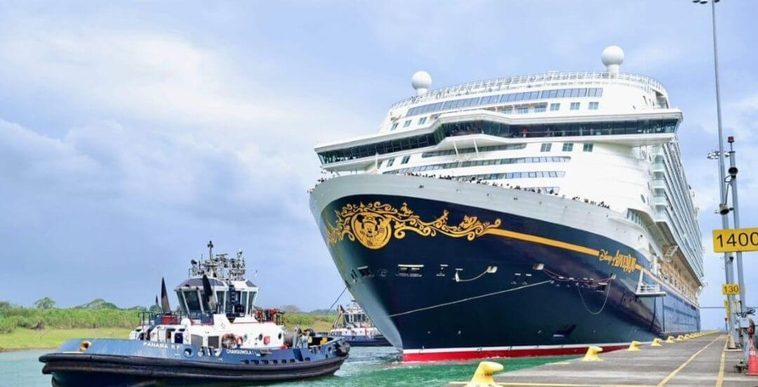
Passenger Dharmi Mehta, who was aboard the vessel during the incident, described what she witnessed firsthand. She documented the scene as law enforcement removed detained individuals from the ship in view of guests. She said, “It was really unsettling,” she said – and that is a masterpiece of understatement.
Her account added a human layer to an already serious situation unfolding in a highly visible, family-oriented setting.

Reports indicate that of those detained, 26 were from the Philippines, one from Indonesia, and one from Portugal. Their visas were reportedly revoked on the spot, and they were subsequently deported following the enforcement action.
Disney issued a formal response addressing the situation, stating that it maintains strict internal standards and is cooperating with authorities. The company said it has a “zero tolerance policy” and “fully cooperated with law enforcement,” adding that employees found to be involved had been terminated.
While Disney’s statement framed the matter as a swift internal and legal response, critics argue it did little to address broader concerns about how such a situation developed on a vessel catering primarily to families and children.
As news of the arrests spread, coverage expanded rapidly across multiple outlets. By early May, the story had moved from regional reporting to national attention, with outlets including Fox News, NewsNation, and Variety all picking up the developments. The timeline shows the arrests occurred between April 23 and April 27, with broader public reporting emerging by May 5 and May 6.
Despite this, ABC News did not feature coverage of the incident during that initial wave of national reporting, according to media tracking analyses. Instead, the network reportedly continued airing entertainment-focused segments, including positive features on former Disney CEO Bob Iger and promotional Disney-related content.
The Media Research Center tracked broadcast output during this period and noted the absence of coverage, raising questions about editorial decision-making inside the newsroom. Critics argue that the omission is especially notable given ABC News’ 24-hour news capacity and its access to the same wire services and breaking news feeds as other major networks.
The arrests themselves took place over several days, and internal and external reporting suggests that newsroom staff were aware of the developing story as it spread beyond local coverage. Yet ABC’s broadcasts did not reflect that escalation during the key window when other outlets began reporting it nationally.
This situation has also reignited broader debates about media impartiality, particularly at ABC News, which employs high-profile political commentators and hosts across its programming. Figures such as George Stephanopoulos, along with programs like “The View” and late-night segments featuring political monologues, have long been part of the network’s identity and have drawn criticism from conservative viewers who question its editorial balance.
At the same time, regulatory attention is already looming over Disney’s broadcast holdings. The Federal Communications Commission has reportedly been reviewing aspects of Disney’s ABC operations for potential compliance issues under the Communications Act of 1934, including whether the network is meeting its obligations as a licensed broadcaster serving the public interest.
A key deadline for regulatory filings is approaching, adding additional pressure on the company at a time when questions about newsroom independence are already being raised.
Taken together, the cruise ship incident and ABC News’ handling of it have become part of a larger conversation about corporate ownership of major media outlets and how editorial decisions are made when a parent company is directly connected to a developing story.
For critics, the takeaway is straightforward: when a network has deep corporate ties to the subject of a breaking news story, the public’s right to timely and complete information may be the first casualty.
And in this case, they argue, ABC News’ silence spoke louder than its broadcast schedule.

