
>> Continued From the Previous Page <<
According to Montgomery’s claim, the freight broker should not be insulated from liability if it chose to work with a carrier that had a questionable safety record. The lawsuit argued that those decisions directly contributed to the conditions that led to the crash.
The legal dispute hinged on the Federal Aviation Administration Authorization Act of 1994, commonly referred to as the FAAAA. Freight brokers and industry groups argued that the law shields them from state negligence claims by broadly preempting regulations related to broker “prices, routes, or services.” Based on that interpretation, the Seventh Circuit Court of Appeals previously ruled in favor of C.H. Robinson, effectively blocking Montgomery’s lawsuit.

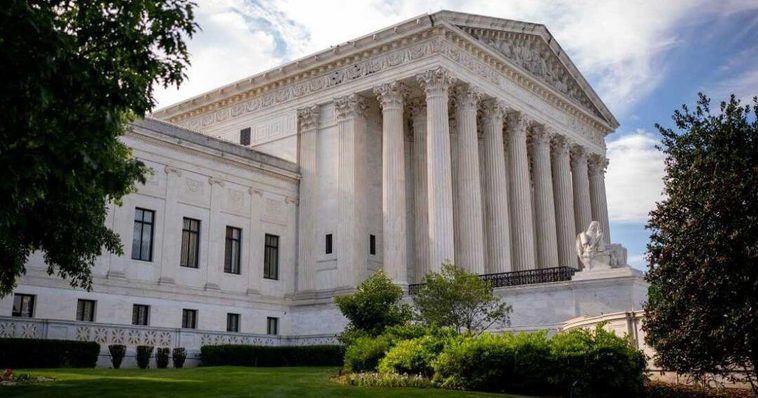
However, the U.S. Supreme Court rejected that reasoning in a sweeping reversal.
Writing for the unanimous court, Justice Amy Coney Barrett concluded that the federal law does not provide blanket immunity in cases involving safety-related negligence claims. The Court emphasized that the statute contains what it described as a “safety exception” that preserves the ability of states to enforce laws tied to motor vehicle safety.
Barrett explained that negligent hiring claims directed at freight brokers fall within that exception because they directly “concern” motor vehicles. In other words, brokers are not detached from responsibility when they select the trucking companies that ultimately operate large commercial vehicles on public highways.
In practical terms, the ruling opens the door for injured plaintiffs to pursue freight brokers in addition to trucking companies and drivers, especially when there are allegations that carriers were improperly vetted or had known safety deficiencies.
The trucking and logistics industry is already warning that the ruling could have sweeping economic consequences. Industry representatives argue that exposing brokers to expanded negligence liability could lead to higher insurance premiums, more aggressive litigation, and increased administrative burdens for companies that arrange freight shipments nationwide.
Some industry voices also caution that the decision could slow down supply chain operations, as brokers may now feel compelled to conduct far more extensive background checks, safety audits, and compliance reviews before assigning loads to carriers. Critics argue that those added steps could ultimately raise shipping costs for consumers.
Justice Brett Kavanaugh, in a concurring opinion, acknowledged the broader implications of the ruling. He noted that the case was a “close” one and recognized that the Court’s interpretation could create meaningful economic ripple effects across the transportation sector. Still, he agreed with the majority that public safety considerations outweighed the industry’s preemption arguments.
Following the ruling, legal analysts say freight brokers are likely to overhaul their internal vetting processes. That may include closer monitoring of FMCSA safety ratings, stricter carrier qualification standards, and more detailed documentation showing how and why specific trucking companies are selected for shipments.
The decision also resolves a long-standing split among federal appellate courts. The Ninth and Sixth Circuits had previously allowed similar negligence claims to proceed, while the Seventh Circuit had taken a more restrictive approach, siding with federal preemption arguments. The Supreme Court’s ruling now establishes a uniform nationwide standard.
Transportation attorneys are already predicting a rise in litigation targeting not only trucking companies and drivers, but also the brokers who arrange shipments. In cases involving serious or fatal crashes, plaintiffs are now expected to pursue every link in the transportation chain—especially brokers accused of ignoring red flags in carrier safety histories.
With this ruling, the Supreme Court has effectively reshaped the legal exposure landscape for one of the most important sectors of the American supply chain, placing renewed focus on safety oversight in an industry that moves the nation’s goods every day.

