
>> Continued From the Previous Page <<
But instead of moving toward compromise, Tehran reportedly answered with a long list of demands that many observers viewed as outrageous.
According to Iranian state media, the regime characterized the U.S. offer as nothing less than “surrender.” Iranian officials then countered by demanding reparations from the United States, the removal of sanctions, the return of frozen Iranian assets, and recognition of Iranian control over the Strait of Hormuz.

The response immediately triggered outrage among critics of the regime, who argued that Iran was attempting to leverage the conflict into a geopolitical victory rather than seeking peace.
In effect, Tehran rejected the core foundation of Trump’s proposal while demanding massive economic and strategic concessions in return.
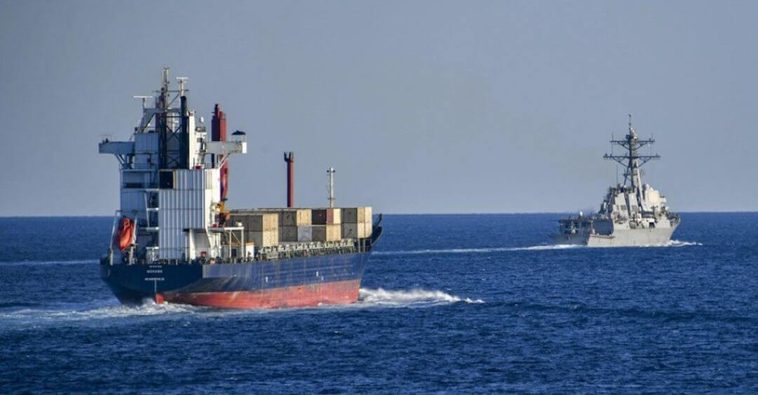
The Strait of Hormuz remains one of the most critical shipping lanes on the planet. A massive percentage of the world’s oil and energy supply moves through the narrow waterway each year, making it one of the most sensitive maritime chokepoints in global commerce.
Any attempt by Iran to gain additional authority over the strait would hand the regime enormous leverage over international energy markets and give Tehran the power to threaten shipping traffic whenever tensions escalate.
The conflict has already rattled markets and disrupted commercial shipping throughout the Persian Gulf region. Energy prices have climbed as investors fear additional instability and the possibility of further military escalation.
Reuters reported Sunday that Iran’s counteroffer, cited through the semi-official Tasnim News Agency, included demands for a complete end to hostilities along with broad sanctions relief.
Tasnim also claimed Tehran wanted the U.S. Office of Foreign Assets Control to suspend restrictions targeting Iranian oil exports within 30 days. In addition, Iranian officials reportedly demanded an end to the naval blockade surrounding the country.
Iranian Foreign Ministry spokesman Esmaeil Baqaei attempted to frame the regime’s position as a push for peace.
“For now, we have decided to focus on ending the war, because this issue is a matter of concern for the entire region, for our nation, and for the international community,” Baqaei said, according to Tasnim.
While the statement sounded diplomatic on the surface, critics quickly pointed out that Iran’s demands told a very different story.
The regime is insisting on sanctions relief, economic benefits, access to frozen funds, and strategic control in the region — all while refusing to fully address the nuclear concerns that helped ignite the standoff in the first place.
Trump’s response signaled that his administration is unwilling to sign onto any arrangement that allows Iran to secure major concessions without fundamentally dismantling the nuclear threat hanging over the region.
The president’s message may have been short, but the implication was unmistakable: the United States will not reward Tehran for refusing to negotiate in good faith.
Supporters of the administration argue that Iran was handed an opportunity to reduce tensions and move toward stability. Instead, they believe the regime attempted to transform a peace proposal into a massive geopolitical payday.
As tensions continue to simmer, the showdown between Washington and Tehran appears far from over — and Trump’s latest statement suggests the White House is preparing for a much tougher battle ahead.

