
>> Continued From the Previous Page <<
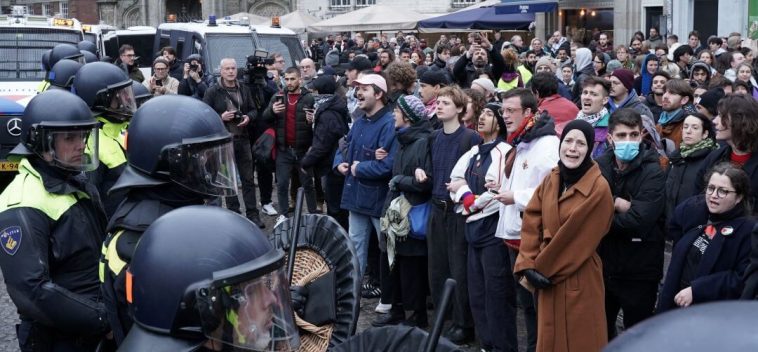
The situation didn’t cool down. Just two days later, on April 24, over 100 residents returned to protest again, even after the mayor issued an emergency order aimed at preventing further demonstrations. Officials defended the crackdown, claiming “there are indications that groups are seeking a violent confrontation with the police.”
For many residents, that explanation rang hollow.

Critics argue that authorities have failed to address the root issue. Locals say they were never given clear answers about safety measures or long-term plans for the shelter. Instead, they feel they were dismissed until tensions reached a breaking point.
The controversy quickly drew national attention, including from Geert Wilders, leader of the Party for Freedom (PVV), who publicly challenged the government’s handling of the situation.
Wilders took to social media with blunt criticism, asking: “Why doesn’t the cabinet close the borders? Why don’t they implement an asylum stop? People are no longer putting up with it. More asylum seekers everywhere in our cities and villages.”

He didn’t stop there. In a warning directed at government leaders, Wilders added: “The Netherlands is reaching a boiling point. Does Jetten really want a popular uprising?”
The remarks underscore a broader political divide in the country, as migration policy continues to spark unrest in multiple regions.
This is not an isolated incident. Similar clashes have unfolded in other Dutch towns in recent months, including Houten and Uithoorn, where residents also protested the placement of migrant housing in their communities. Demonstrations have likewise taken place in major cities like The Hague and Amsterdam.
To critics, the pattern is becoming clear. They argue that decisions are being made without community input, leaving residents feeling ignored and disrespected.
Wilders echoed that frustration in another pointed statement: “Residents of Dutch municipalities who are unceremoniously shoved asylum seekers down their throats are understandably pissed off about it. Our country is being completely ruined. The failing Minister of Asylum should resign immediately. The Netherlands is full. Bursting at the seams.”
The controversy has also revived comparisons to events outside the Netherlands, particularly in Dublin, where public outrage erupted after a serious crime involving a migrant housed in a government-supported facility. That incident intensified debates across Europe about asylum policies and public safety.
Supporters of stricter immigration controls argue that governments are ignoring warning signs. They say the issue is no longer just about policy, but about trust.
For many residents in Loosdrecht, the core complaint remains unchanged. They believe their concerns were dismissed until it was too late, and when they finally pushed back, the response was force instead of dialogue.
The Dutch government now faces growing pressure to explain its strategy, restore public confidence, and address the widening gap between policymakers and the communities they serve.
Whether officials choose to engage with critics or continue their current course could determine whether situations like Loosdrecht remain isolated incidents or become the new normal across the country.

