>> Continued From the Previous Page <<
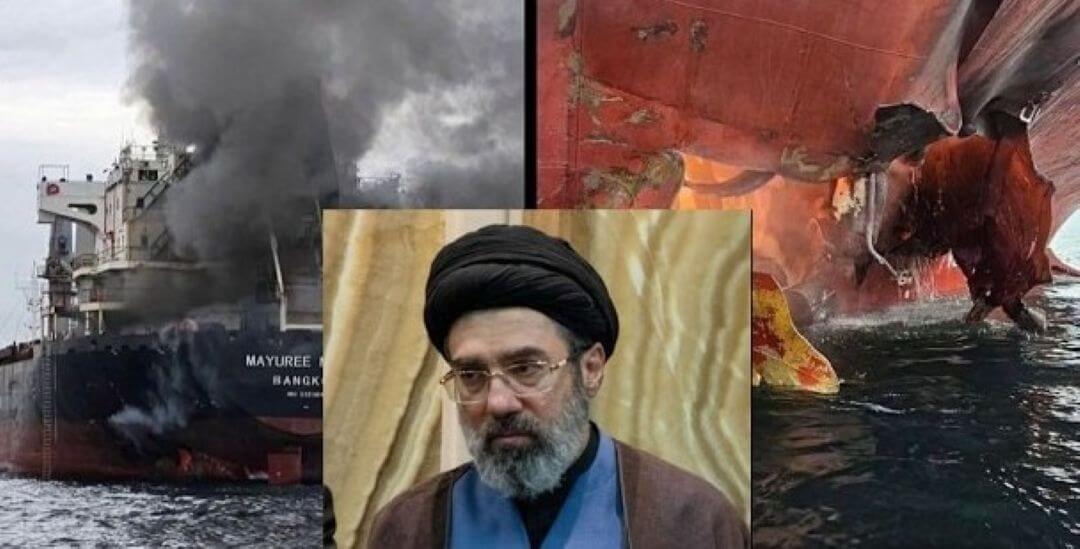
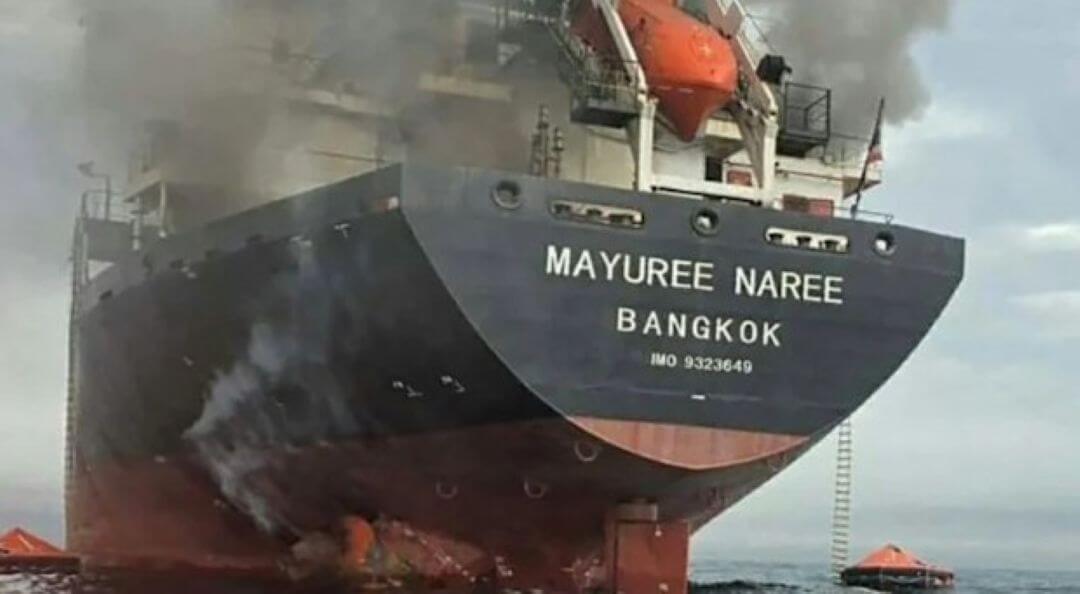
Despite the warning, the situation quickly escalated. Early Thursday morning, reports emerged that three oil tankers had been set ablaze, adding to the chaos that began the previous day when several vessels were attacked in the same region.
The attacks appear to be part of a coordinated effort to disrupt energy shipments moving through the Strait of Hormuz—a narrow but vital waterway responsible for transporting a large share of the world’s oil supply.

Rather than denying involvement, an Iranian military representative appeared to boast about the economic shock the attacks could create.
“Get ready for oil to be $200 a barrel, because the oil price depends on regional security, which you have destabilized,” Ebrahim Zolfaqari, a representative of Iran’s military command, said Wednesday.
The escalating crisis has already drawn alarm from global energy watchdogs. Analysts at the International Energy Agency warned that the growing confrontation between the United States, Israel, and Iran could trigger a supply disruption unlike anything previously recorded in the modern oil market.
According to the agency, the conflict is producing what could become the “largest supply disruption in the history of the global oil market,” a stunning warning that underscores the stakes of the unfolding crisis.
Energy shipments through the Strait of Hormuz—normally one of the busiest oil corridors on the planet—have slowed dramatically. The agency reported that the flow of energy products moving through the channel has dwindled to what it described as little more than “a trickle.”
The impact is spreading across the region. Shipping attacks have forced Iraq to temporarily shut down ports used for exporting crude, compounding fears of a broader supply shortage.
In response to the mounting crisis, global energy officials are scrambling to stabilize markets. The International Energy Agency announced plans to release a massive reserve of emergency oil in an attempt to cushion the blow.
The organization said it would deploy approximately 400 million barrels from its emergency stockpiles, though officials acknowledged the move is only intended to buy time while the situation unfolds.
Industry leaders were blunt about the limitations of the strategy. One official described the emergency release as a “stop-gap measure,” suggesting the world could face much deeper supply problems if shipping routes remain disrupted.
Meanwhile, the U.S. government is preparing its own contingency plans. Energy Secretary Chris Wright confirmed that the United States may draw down roughly 40 percent of its holdings in the Strategic Petroleum Reserve in order to help stabilize global markets.
Despite these emergency measures, oil prices have already surged dramatically.
By 8:30 a.m. Eastern Daylight Time on Thursday, crude oil was trading at $92.10 per barrel—an enormous jump compared to just weeks earlier.
Data from the Odessa American shows that on February 27, the day before the U.S.–Israeli strikes against Iranian targets began, oil was selling for only $67.02 per barrel.
The spike highlights just how quickly geopolitical tensions can ripple through the global economy.
Military planners are also exploring ways to protect the critical shipping routes that remain open. According to officials, the Pentagon is considering deploying American warships to escort commercial tankers traveling through the Strait of Hormuz and the Persian Gulf.
But the plan is not ready to be implemented yet.
“It’ll happen relatively soon but it can’t happen now,” Wright explained when discussing the potential naval escorts.
“We’re simply not ready. All of our military assets right now are focused on destroying Iran’s offensive capabilities and the manufacturing industry that supplies their offensive capabilities,” he said.
Still, officials suggest relief could be coming in the near future. Wright indicated the U.S. Navy may be able to begin escort operations before the end of the month—an effort that could prove crucial in restoring stability to one of the most strategically important shipping lanes in the world.