
>> Continued From the Previous Page <<
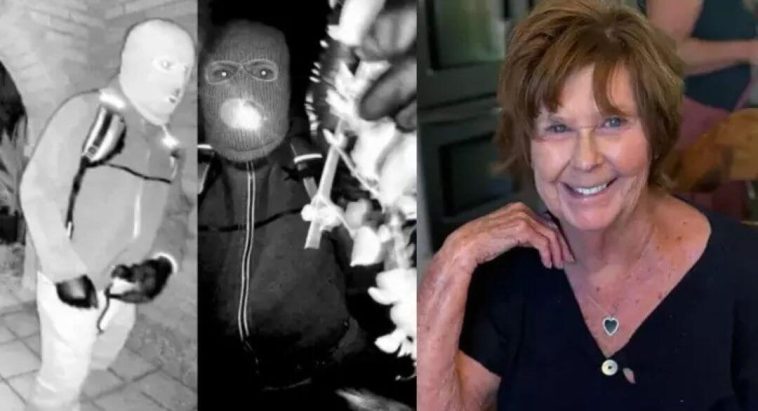
The former profiler also pointed to the suspect’s handling of the firearm. According to Clemente, the footage reveals that the person is not a trained professional. “He revealed a tremendous amount, so he’s not a professional,” he said.
The way the weapon is positioned suggests the individual is right-handed, another small but potentially decisive piece of information for investigators. Combined with the wrist marking, Clemente believes these clues could significantly focus the search.

He stressed that while outdoor evidence may be limited due to Arizona’s harsh environment, forensic evidence inside Guthrie’s home is likely far more valuable. “Inside the house is much more protected. So I’m sure that’s going to reveal a lot more,” Clemente said. “Any time, any place where he spent any time — that’s where you’re going to see it.”
Outdoor traces, exposed to wind, heat, and moisture, often degrade rapidly. That makes indoor evidence — fingerprints, fibers, and DNA — a higher priority in piecing together the suspect’s movements.
Clemente also warned that the public release of the surveillance footage could put added pressure on the individual. When suspects see their images circulating nationwide, stress levels rise, potentially leading to mistakes. “The public should be looking for somebody who’s been under stress for the last several weeks, who didn’t show up for work, called in sick or bagged out of social responsibilities,” he said.
Behavioral clues may also provide tips: the suspect could attempt to alter his appearance, shave or cut his hair, or clean and conceal his vehicle more aggressively than usual. “He’s probably tried to change his appearance, hide his car — maybe paint it, clean it really thoroughly more than he normally does. And he may have left the area for a last-minute emergency,” Clemente added.
Nancy Guthrie has been missing since Feb. 1, and authorities say evidence suggests she was taken from her home against her will. The FBI is offering a $50,000 reward for information leading to her recovery.
Clemente believes the wrist marking and other behavioral clues could indicate the suspect has already made a critical error. What may seem like a small detail could ultimately turn into the biggest break in the case — for both investigators and the public watching closely.

